
 en
en  fra
fra  de
de  ru
ru  ara
ara  gle
gle  it
it  jp
jp  kor
kor  th
th  zh
zh How to Handle Non-Conforming Castings: A Buyer's Guide to Rework, Return & Claims
2026-08-07 16:29:11 hits:0
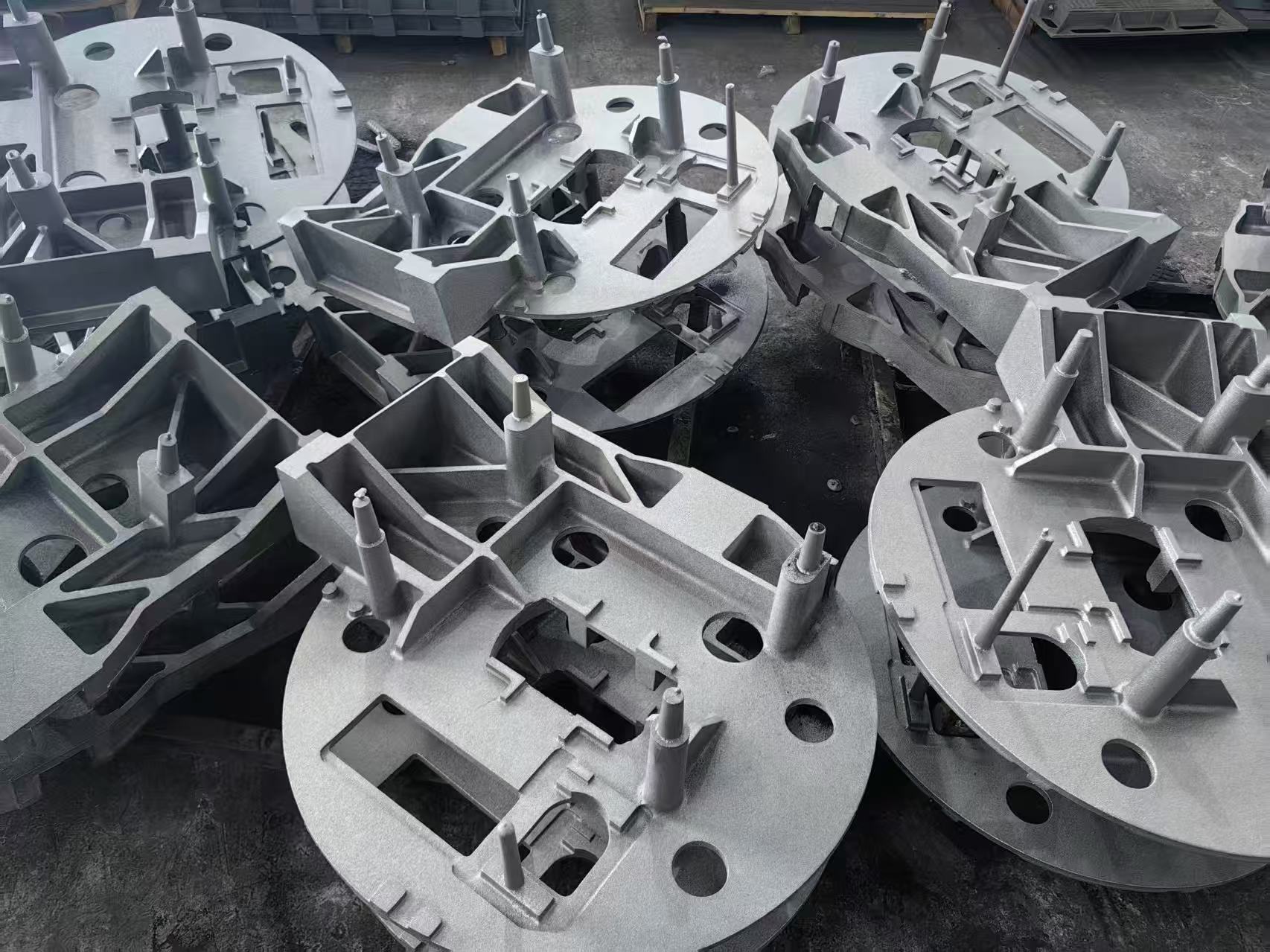
A non-conforming casting eventually reaches almost every buyer who sources at volume. The difference between a contained incident and a costly dispute is what you do in the first 48 hours. This guide gives international buyers a practical workflow — define the problem, preserve evidence, pick the right disposition, and file a claim that actually gets paid.
1. First, define what "non-conforming" actually means
A non-conforming casting is one that fails the agreed specification — a dimension outside tolerance, a grade that does not match the cert, a surface limit breached, or a function that does not work. Not every imperfection is a reject. A minor deviation stays within the drawing's allowable tolerance, or it carries a written deviation waiver you approved before production. A non-conformance breaks the spec and forces a decision.
Why the line matters: calling every surface mark "defective" burns supplier goodwill and your own engineering time. Calling a real breach "minor" lets bad parts into your line. Define the threshold in the purchase order, not in the panic of discovery. Tie it to the drawing revision you approved and the casting defects guide your team uses to name failures precisely.
A useful rule: a dimension 0.2 mm over a ±0.5 mm tolerance is a deviation, not a non-conformance. The same dimension 0.2 mm over a ±0.1 mm tolerance is a non-conformance. The drawing — not the moment — decides.
2. The three things to do immediately: quarantine, document, notify
When you find a suspect part, act in this order:
Quarantine: move non-conforming parts away from good stock so they cannot be assembled by mistake. Tag them, count them, and freeze the batch. A mixed batch is how one bad part becomes fifty.
Document: photograph the defect, the part marking, and the batch label. Keep the material certificate and packing list. For internal flaws, request or perform NDT — our overview of NDT methods for castings explains which test finds which defect, so "it looks wrong" becomes "ultrasonic shows a 4 mm inclusion."
Notify in writing: send the supplier a non-conformance report (NCR) inside the contract's claim window. State the spec clause, the measured value, and the photo evidence. A written NCR is what turns a complaint into a tracked event.
Most batch problems trace back to a first article that was never properly approved. Our first-article inspection guide shows how to close that gap upstream, which makes this whole step far rarer.
Not sure how to write a non-conformance report that holds up? Contact us at tieguexport.com →
3. Disposition options: rework, sorting, return, or scrap
You have four paths. Choose by part criticality and total cost, not by habit.
Rework: fixing the part — machining a feature, repairing a surface. Use it only when the fix is proven not to weaken the part, and a qualified shop can do it. Reworked parts must be re-inspected, not trusted.
Sorting (100% inspection): separate good from bad when most of the batch is usable. Cheap per part, but you pay for the labor and you still carry the defect risk on the rejects.
Return: send the batch back. Right when the part is unsafe, unrepairable, or the deviation is structural. You recover material cost but eat freight both ways.
Scrap and reorder: the fastest path to good parts when lead time allows; claim the cost from the supplier afterward.
The cheapest option is rarely "use it anyway." A part forced into service fails downstream, and the downstream cost — a line stoppage, a field recall — is yours to carry. A short table helps teams decide fast:
| Option | Use when | Cost you bear |
|---|---|---|
| Rework | Fix is proven safe, local shop available | Repair + re-inspection |
| Sorting | Most of batch is good | Inspection labor |
| Return | Structural or unsafe defect | Two-way freight |
| Scrap + reorder | Lead time permits, need good parts fast | Delay, claimed back |
4. Claims: the window, the responsibility, and the contract
Claims live or die on the contract and the clock.
Claim window: most supply contracts set a notice period — often 30 to 90 days from receipt. Miss it and you absorb the loss. Put the window in the PO and calendar it at receiving, not when the finance team remembers.
Responsibility: a non-conformance caused by the supplier's process — wrong heat, wrong method — is their cost. One caused by your ambiguous drawing is shared. Clear specs prevent the blame shift before it starts.
Evidence wins: the NCR, photos, the NDT report, and the original certificate. Suppliers settle faster when the file is undeniable. A credit note or refund follows a clean claim; a vague email does not.
What you can recover: typically the part value and return freight. Consequential losses — line-down, recall, customer penalties — are harder and depend on contract terms. Our guide on the risks of sourcing castings from China covers why strong contract terms matter before you order, not after.
Choosing the right partner in the first place is the cheapest claim you never file. See how to find and choose a reliable metal casting company before the next PO goes out.
5. Turn one failure into prevention
A non-conformance is a free lesson if you capture it.
Update the checklist: add the check that would have caught this defect at the foundry, not at your dock. The inspection plan should get stricter after every miss, not stay static.
Score the supplier: log defect rate, response speed, and whether they honored the claim. One bad batch with a fast, fair response is very different from a pattern of denial.
Feed it back: tighten the tolerance on the failed feature, add a hold point, or move the work to a different supplier on the next order.
The goal is not to win every dispute. The goal is to make the next shipment cleaner than the last.
FAQ
1. How large a deviation can I accept without calling it non-conforming?
A deviation is acceptable only if it stays within the drawing's stated tolerance or a written deviation waiver you approved before production. Anything outside that — including "it's close enough" decided after discovery — is a non-conformance. When in doubt, measure against the approved revision, not against a verbal okay from a sales rep.
2. What if the supplier refuses to admit the casting is non-conforming?
Hold your evidence: the NCR, photos, the certificate, and any NDT report. Refer to the contract's specification clause and claim window. If the part is critical, commission a third-party inspection so the finding is independent of both sides. Most disputes resolve once the file is undeniable; if not, the contract's dispute clause governs.
3. Is rework or sorting cheaper?
It depends on batch quality. If 90% of parts are good, sorting is cheap and fast. If the defect is structural or most parts are affected, rework or return beats paying to inspect thousands of rejects. Never sort-and-ship without re-inspecting the "good" pile — defects cluster in batches, and a rushed sort misses them.
4. How much can a claim actually recover — price, freight, indirect loss?
For supplier-caused defects you normally recover the part value and return freight. Indirect losses — production stoppage, recall, customer penalties — are recoverable only if the contract expressly allows them, which most standard purchase orders do not. Negotiate consequential-loss coverage before you sign, especially for safety-critical parts where a single failure is expensive.
Tiegu is a China-based casting supplier serving international buyers through a vetted network of qualified Chinese foundries. We supply castings under a single commercial contract, managing supplier selection, technical confirmation, quality inspection, and export delivery from order to shipment.