
 en
en  fra
fra  de
de  ru
ru  ara
ara  gle
gle  it
it  jp
jp  kor
kor  th
th  zh
zh High Chrome Blow Bar: Cr26 / Cr20Mo Bar for Impact Crusher
2026-08-18 17:38:45 hits:0
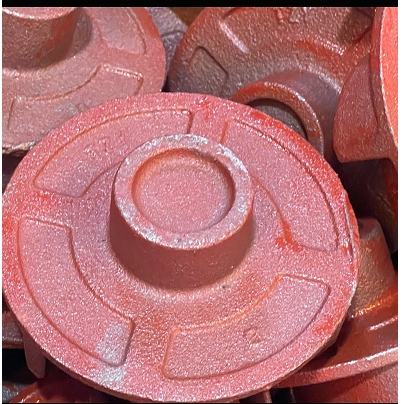
The blow bar is the replaceable hammer in an impact crusher — the bar mounted on the rotor that strikes and flings feed material against the apron liners. It takes the hardest, most direct impact in the whole circuit, so its alloy decides both wear life and the risk of sudden breakage. This spotlight covers high-chrome grades, when to choose them over manganese, and how to source blow bars from China with MTC.
Specifications at a Glance
| Item | Typical specification |
|---|---|
| Material | High-chrome white iron: KmTBCr26 (Cr27), KmTBCr20Mo |
| Casting process | Resin sand or lost-foam casting, then heat treatment for hardness & toughness balance |
| Weight | Made to drawing; common range 40–400 kg by rotor size |
| Hardness | ~HRC 58–65 as cast; very high abrasion resistance |
| Application | Limestone, recycled concrete, asphalt, and other low-abrasion impact duty |
What the Blow Bar Does
On each rotor revolution the bar meets the feed at speed. The striking face erodes as it shatters rock, and the bar must stay intact under repeated shock. Wear is fastest at the leading edge and the bolt pockets. Choosing the wrong grade — too brittle for the feed, or too soft for the abrasion — is the main cause of premature failure. For the wider wear-part view, see our mining equipment castings sourcing guide.
Why High Chrome (and When Not)
High-chrome white iron is the opposite choice from manganese steel. It does not work-harden; it arrives hard (HRC 58–65) and stays hard, absorbing fine abrasive wear far better than manganese in low-impact duty like limestone or recycled concrete. Cr26 (Cr27) gives maximum hardness for the most abrasive feeds; Cr20Mo adds a little toughness for mixed duty. The catch: high chrome is brittle under heavy tramp-iron impact, so for magnetite, hard rock with steel, or heavy shock loads, manganese blow bars are safer. Match the grade to the feed, not the habit.
Not sure whether Cr26, Cr20Mo, or a Mn steel bar fits your feed and crusher? Request a quote at tieguexport.com →
Sourcing Notes
Blow bars are made to order against your rotor model and drawing. When you submit an RFQ to a Chinese casting company, state the crusher model, feed material, and whether tramp metal is a risk. Expect one contract covering pattern confirmation, heat treatment, hardness and magnetic-particle inspection, and export. Before choosing a partner, review how to choose a reliable casting supplier, and require a mill test certificate (MTC) with the actual hardness and chemistry.
FAQ
1. High chrome or manganese blow bar?
High chrome for limestone, concrete, asphalt (low shock, high abrasion). Manganese for hard rock with tramp-iron risk (high shock).
2. What shortens blow bar life most?
Unbalanced rotors, oversized feed, and uncrushable tramp metal — all cause edge wear or cracks regardless of alloy.
3. Are blow bars reversible?
Many designs are reversible or have multiple usable edges; the drawing and bolt pattern decide it.
Tiegu is a China-based casting supplier serving international buyers through a vetted network of qualified Chinese foundries. We supply castings under a single commercial contract, managing supplier selection, technical confirmation, quality inspection, and export delivery from order to shipment.