
 en
en  fra
fra  de
de  ru
ru  ara
ara  gle
gle  it
it  jp
jp  kor
kor  th
th  zh
zh Casting Export Packaging & Rust Prevention: A Buyer's Checklist
2026-08-14 17:27:58 hits:0
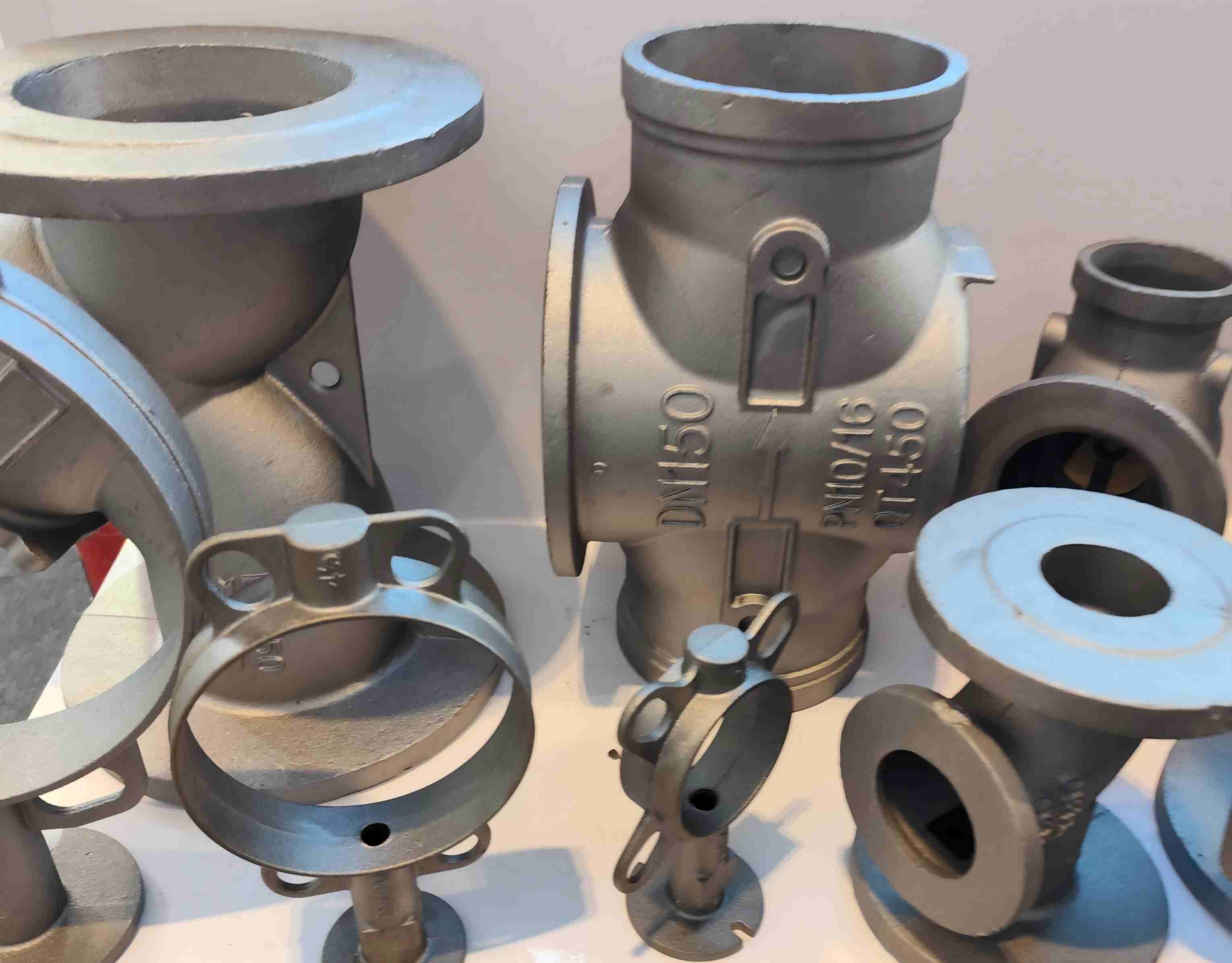
The part passes inspection at the foundry, gets loaded, and disappears into a container. Weeks later it arrives at your dock with orange bloom on the machined face and a chipped corner. The foundry did its job. The damage happened in transit. Sea-air rust, rough handling, and poor packing are the most expensive casting defects you will ever find — because by the time you see them, the liability is already a fight. This guide gives international buyers a practical checklist for casting export packaging, rust prevention, and shipping protection.
1. Why transit is the most underestimated source of casting damage
Buyers obsess over the melt and the mold, then treat packing as an afterthought. That is backwards. Once the container seals, the parts face a salt-laden, humid, and often violent environment for 20 to 40 days. Cast iron in particular rusts fast in that air. A single unprotected machined face can be ruined before the ship reaches port.
The risk is also a visibility gap. At the foundry you control inspection. In the container you control nothing — until the bill of lading transfers and the loss becomes yours. Most of the risks of sourcing castings from China are manageable at order stage; transit damage is the one that escapes your view and then lands on your balance sheet.
2. Packaging basics — what part gets what pack
Match the pack to the part, not to habit. A heavy, rough casting survives a bare steel frame; a machined, painted, or thin-wall part needs a sealed box. Get this wrong and the cheap option costs you the part.
| Part type | Recommended pack | Why |
|---|---|---|
| Raw, heavy casting | Steel frame or wooden crate, separated by dunnage | Weight and abrasion, not rust, are the main threat |
| Machined-face part | VCI bag + sealed plywood case | The machined face must never see humid air |
| Thin-wall / fragile | Custom foam or molded support, no movement | Vibration cracks thin sections |
| Mixed small lot | Partitioned carton, labeled per slot | Prevents mix-ups and lost pieces |
The rule underneath the table: zero movement, zero bare metal exposed to air. If a part can shift, it will. If bare steel can breathe sea air, it will rust. A supplier's ability to follow this is part of how to verify a casting supplier's production capability — packing discipline shows up long before the first container.
Not sure your supplier's packing will survive the voyage? Ask our team about export packing at tieguexport.com →
3. Rust prevention — pick the method by voyage
Rust control is not one product. It is a stack matched to transit time and climate:
VCI (vapor corrosion inhibitor) — emits a protective vapor inside a sealed bag; best for machined parts with no oil-friendly surfaces.
Oil coating — a thin preservative film; cheap and effective, but you must clean it before machining.
Desiccant / dry pack — absorbs moisture inside the sealed case; pair it with VCI for long, humid routes.
VCI paper wrap — interleaves between parts; good for stacked flat castings.
Short, dry routes may need only oil and a crate. A 30-day tropical crossing needs a sealed VCI bag, desiccant, and a witness strip that shows if the seal broke. State the method in the purchase order, not in a hope. The choice mirrors the defect logic in the complete guide to metal casting defects: you prevent the failure mode you name, not the one you assume.
4. Marking, documents, and insurance — the paper that pays claims
Good packing loses its value if the paperwork is sloppy. Three items decide whether a claim gets paid:
Marking (shipping marks) — clear destination, piece count, and "FRAGILE / KEEP DRY" on every unit. Unmarked mixed loads get opened last and handled worst.
Documents — packing list, commercial invoice, bill of lading, and, for wood, the ISPM 15 fumigation mark. Missing the fumigation certificate can get the whole container rejected at customs.
Insurance — institute cargo clauses covering all risks, not just the basic CIF minimum. Confirm who owns the risk at each handoff before you sign.
A supplier who handles export routinely will hand you this packet without being asked. That is one reason how to find and choose a reliable metal casting company weighs export experience as heavily as foundry skill — a shop that only ships domestically will fumble the documents that protect you.
5. Arrival inspection — open, document, claim
Do not sign clean on delivery. Open and inspect before the carrier leaves, or you forfeit the claim. Photograph the sealed container, the opened case, and any damage with a scale reference. Rust found after you signed is your cost.
One caution: transit rust can hide a real internal flaw, and a dent can mask a crack. If a part looks suspect after cleaning, run non-destructive testing (NDT) before you decide it was only the voyage. Keep the photos, the seal record, and the survey report together — that file is your claim, and without it the damage becomes a story you cannot prove.
FAQ
1. Must castings always get rust prevention for sea freight?
For any ocean voyage longer than a few days, yes — at least for machined or finished faces. Raw castings with no machined surface can sometimes ship with only oil and a crate, but humid tropical routes still need a barrier. Name the method in the PO; do not leave it to the packer's mood.
2. Do wooden packs need a fumigation certificate?
Yes, if the wood is solid (crate, pallet, dunnage) and crosses most borders. The ISPM 15 standard requires heat treatment or fumigation with a stamped mark. Plywood and engineered board are usually exempt, but confirm the destination country's rule — a missing mark can mean the container is turned away at port.
3. If the casting arrives rusty, who is liable?
It depends on the incoterm and the insurance you bought. Under CIF with all-risks cover, the claim usually goes to the insurer with your photos and survey report. Under EXW or FOB, the risk may have passed to you at loading. The answer is in the contract you signed, which is why the packing and insurance terms must be set before the PO, not argued after the rust.
4. Do small and large parts need very different packing?
The principles are the same — no movement, no bare metal, clear marks — but the execution differs. Small lots need partitioning so pieces do not mix; large heavy parts need load-rated frames and careful weight distribution in the container. The cost of getting either wrong scales with the part value, so spec the pack to the risk, not the size.
Tiegu is a China-based casting supplier serving international buyers through a vetted network of qualified Chinese foundries. We supply castings under a single commercial contract, managing supplier selection, technical confirmation, quality inspection, and export delivery from order to shipment.
Previous: Casting Drawing & Specification: What to Send Your Supplier
Next: No More