
 en
en  fra
fra  de
de  ru
ru  ara
ara  gle
gle  it
it  jp
jp  kor
kor  th
th  zh
zh Casting MOQ and Lead Time: How to Negotiate as an International Buyer
2026-08-12 17:31:04 hits:0
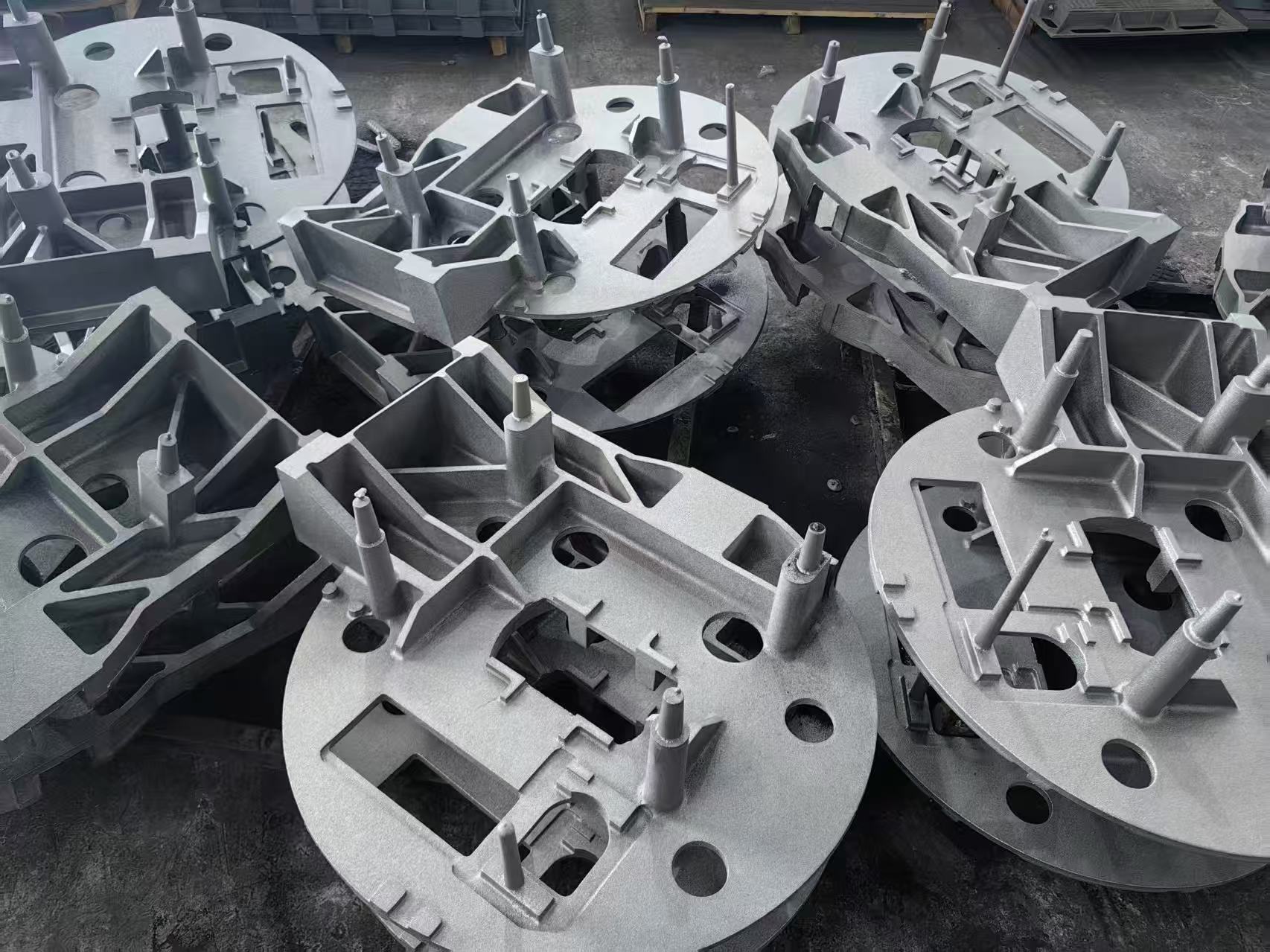
Buyers obsess over the unit price and barely read the MOQ or the lead time. That is backwards. A low piece price with a high minimum order ties up your cash; a low price with a slipping delivery date can shut down your line. This guide gives international buyers a practical framework to negotiate both — and to spot the promises that mean nothing. Both terms deserve the same scrutiny you give the unit price.
1. Why MOQ and Lead Time Are the Most Underestimated Terms
Unit price is visible; MOQ and lead time are buried. But they decide your working capital and your ability to ship. A supplier quoting $2.00 per part looks cheap — until the MOQ is 5,000 and you need 300. Suddenly you are buying 4,700 you cannot sell.
Lead time is worse because it is movable. A supplier can quote six weeks and deliver in twelve, and unless the contract says otherwise, you have little leverage. Treat MOQ and lead time as price terms, not footnotes. They are where many sourcing risks actually bite.
2. Where MOQ Comes From: Tooling, Melt Batch, and Changeover
MOQ is not arbitrary. Three costs drive it.
Tooling. The pattern or die is built for a run. Below a volume, the tooling amortization makes the part uneconomic. This is why prototypes and low-volume parts carry higher effective MOQs.
Melt batch. Foundries pour in heats — a furnace holds a fixed tonnage. A small order may still require a full heat of that alloy, so the MOQ tracks the minimum pour weight, not your drawing.
Changeover. Switching alloys, molds, or coatings costs setup time. Suppliers batch similar jobs to avoid it, which pushes your minimum up. Understanding these lets you ask the right question: "Is this MOQ driven by tooling, by melt batch, or by changeover?" The answer tells you what is negotiable.
Design choices also move the number. Review design for manufacturability (DFM) early — a simpler part with standard draft and wall thickness often qualifies for a lower batch than a complex one.
3. The Real Structure of Lead Time: From PO to Shipment
"Lead time" is not one number. It is a chain, and any link can stretch.
| Stage | What can delay it |
|---|---|
| Order confirmation & drawing release | Unclear spec, late approval |
| Tooling (new or modified) | First-time tool, rework |
| Material procurement | Alloy shortage, mill lead time |
| Casting & cleaning | Furnace queue, defects requiring redo |
| Machining & inspection | Capacity conflict, NDT backlog |
| Export packing & shipping | Container consolidation, customs |
The usual delay point is not casting — it is material procurement and capacity conflict. A supplier with one furnace and a full book will quote you their best case, not their real case. Before you rely on a date, verify the supplier's production capability and current load, not just their sales pitch.
4. Buyer's Levers: How to Negotiate MOQ and Lead Time
You have more leverage than the quote suggests. Use these.
Trade volume for MOQ. Offer a forecast or a framework agreement: "I will place 10,000 over the year if you accept 500 per release." Suppliers discount MOQ when they see a program, not a one-off.
Trade flexibility for speed. Agree to a delivery window (e.g., 6–8 weeks) instead of a fixed date, and let the supplier slot you into free furnace time. You often get a faster real date than a rigid one.
Ask for a pilot batch. For a new part, negotiate a paid prototype run below MOQ to prove the process. A supplier confident in their tooling will usually agree.
Put teeth in the date. Link payment milestones or a penalty to the committed lead time. A date with no consequence is a hope. The supplier you choose matters here more than any clause — our guide to choosing a reliable casting supplier covers the questions that separate shops that deliver from shops that promise.
Not sure a supplier can hold your MOQ and lead time? Contact us at tieguexport.com →
5. Red Flags and the Contract Language That Protects You
Some signals mean trouble before you sign. A quote with an MOQ far above your need and no explanation. A lead time quoted without a written start point ("from drawing approval" vs "from PO"). A supplier who will not name the alloy source. A date given instantly with no questions about your spec. None of these alone is fatal, but two together should stop you signing.
Write three things into the agreement. First, define when the clock starts (PO date or drawing release — pick one). Second, state the consequence of slippage: a discount, a penalty, or the right to cancel. Third, require progress visibility: milestone updates at tooling, first-pour, and inspection.
One caution: pushing a supplier to cut lead time by rushing the run invites casting defects. A realistic date with inspection beats a fast date with scrap. Negotiate the date you can actually live with, then protect it in writing.
FAQ
1. What is a typical minimum order quantity for castings?
It varies by process and alloy. Sand casting can start around a few hundred pieces, sometimes less for a simple part with standard tooling. Die casting often starts in the thousands because the die cost must be recovered. The real floor is usually the minimum melt weight, not the supplier's preference — so ask whether the MOQ is tooling-driven or heat-driven.
2. Why is casting lead time longer than for machined parts?
Machining starts from stock; casting starts from molten metal and a mold. You wait on tooling, material procurement, the furnace queue, and inspection before any cutting begins. A machined part skips the first three. Expect casting to add weeks of front-loaded work that machining simply does not have.
3. What if a supplier keeps delaying delivery?
First, confirm the clock start and whether you caused the slip (late approvals, changed spec). If the slip is theirs, invoke the contract: the penalty or cancellation right you wrote in. If you did not write one, you are negotiating from zero — which is why the clause must exist before the PO. Document every delay in writing and keep it as leverage for the next order. A calm, documented trail is your best negotiating tool.
4. What MOQ can I get for a small trial batch?
Often lower than the standard MOQ if you pay for tooling or accept a pilot price. Suppliers want to prove the process and win the program, so a paid prototype run of 50–200 pieces is commonly negotiable for a new part. Frame it as the start of a volume commitment, not a one-off, and you will get further.
Tiegu is a China-based casting supplier serving international buyers through a vetted network of qualified Chinese foundries. We supply castings under a single commercial contract, managing supplier selection, technical confirmation, quality inspection, and export delivery from order to shipment.