
 en
en  fra
fra  de
de  ru
ru  ara
ara  gle
gle  it
it  jp
jp  kor
kor  th
th  zh
zh Pig Iron Price Breakdown: What Drives the Quote and How to Compare Suppliers
2026-07-24 15:13:43 hits:0
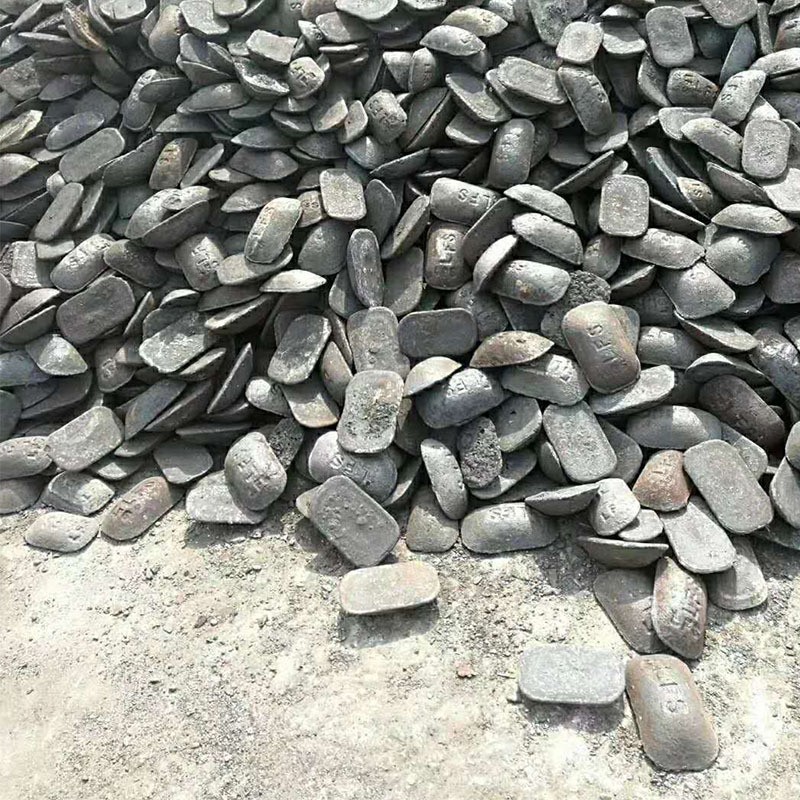
Two quotes for "foundry grade pig iron" can land widely apart and both be honest. The gap isn't a mistake or a scam. It's a stack of variables most buyers never itemize. Before you pick the lowest line, know what's inside it — because a cheap unit price with unclear freight can cost more than a higher one delivered to your dock.
This guide breaks a pig iron quote into its real components and shows how to line up competing offers on the same basis. If you haven't fixed your specification yet, start with our guide on how to select high-quality pig iron so you're comparing material you actually need.
1. What's Actually in a Pig Iron Quote
A quote is more than a number per ton. A proper one lists several fields, and each one moves the total:
Grade and specification. Grey, nodular (SG), high-purity, or steelmaking pig iron — and the specific grade code (Z14, Z18, Z22, and so on).
Chemistry range. The silicon, manganese, phosphorus, sulfur, and carbon bands the lot will meet.
Form and size. Pig bars vs. lump, and the lump size if relevant to your charging.
Volume and packaging. Tonnage, and whether bars ship bare, bundled, or palletized.
Unit price, incoterm, and freight. The price, what's included (EXW, FOB, CFR, CIF), and who pays the ocean leg.
Validity and payment terms. How long the price holds, and when money changes hands.
The trap: a low unit price quoted EXW (ex-works, no freight) with "freight to be confirmed" can end up higher than a higher unit price quoted CIF to your port. Always read the whole quote, not just the per-ton line.
2. Grade & Chemistry: Why "Foundry Grade" Isn't One Price
"Foundry grade" is a category, not a spec. Within it, the price drivers diverge hard.
Grade type. Grey pig iron, nodular pig iron for ductile iron, high-purity pig iron, and steelmaking pig iron each sit on different cost curves. High-purity grades — very low phosphorus, sulfur, and trace elements — cost more because the blast furnace campaign and desulfurization add steps most standard grades skip.
Silicon band. The same "foundry grade" at Z14, Z18, or Z22 carries a different price because silicon content changes both the ironmaking and your downstream treatment. A tighter, lower-impurity band costs more than a loose one.
Impurities and trace elements. Low phosphorus and low sulfur command a premium, especially for ductile iron where lead, titanium, and antimony wreck nodularity in trace amounts. If your process needs that cleanliness, the premium is justified. If it doesn't, you're paying for properties you throw away.
Don't know what each element does to your cost and your melt? Our breakdown of pig iron chemical composition explains what every number on the certificate means.
One more variable buyers underestimate: the sales channel. Direct mill supply typically runs below a trading intermediary once you clear minimum volumes — the difference shows up as a per-ton gap that compounds across a contract. We've covered the procurement-side version of this in costly mistakes in pig iron procurement, but the point for pricing is simple: know who is actually shipping the metal.
3. Volume, Packaging & Freight: The Hidden Variables
The three lines buyers skim are usually the three that decide the real cost.
Volume. Per-ton price falls as tonnage rises. Full container loads beat less-than-container loads, and bulk shipments beat containers for large buyers. Every supplier has volume tiers — ask for theirs instead of assuming one rate.
Packaging. Bare pig bars stacked and strapped cost less than bundled or palletized loads. If your foundry needs strapped bundles for crane handling, that's a real cost, not a luxury. Specify it so quotes match.
Freight and incoterms. EXW, FOB, CFR, CIF — each shifts more cost and risk onto you. A quote "FOB Tianjin" and a quote "CIF Nhava Sheva" are not the same number and shouldn't be compared as if they were. Ocean freight moves with fuel, surcharges, and route; a delivered quote with freight "TBC" is not a delivered quote yet.
Currency and validity close the list. Metal prices move weekly, so quotes often hold only 3–7 days. A price that "still stands" after two weeks probably isn't the same material. If you're new to the import side, pair this with our key precautions for pig iron import so freight and terms line up with customs and logistics.
Not sure what your spec should be — or what a fair landed price looks like? Request a pig iron specification sheet and current pricing →
4. How to Compare Quotes Apples-to-Apples
You can't compare quotes that sit on different bases. Normalize first:
Same incoterm. Convert everything to landed cost at your port (CFR or CIF to your destination). That single step removes most of the apparent gap.
Same grade and chemistry band. Send the same spec sheet to every supplier so they're pricing identical material, not their favorite grade.
Same currency and validity window. Compare offers that are live on the same day, in the same currency.
Same volume assumption. Use your real order size, not the supplier's most flattering tier.
Then build one comparison table with columns for unit price, freight, insurance, incidentals, total landed cost per ton, payment terms, and lead time. The last two matter more than buyers admit: a slightly lower unit price with a much longer lead time can tie up more working capital than the saving delivers.
The goal isn't the lowest line — it's the lowest landed, like-for-like cost from a supplier you can verify. Price is the start of the conversation, not the answer.
5. Red Flags in a Pig Iron Quote
A quote can be honest and still tell you to walk. Watch for these:
Price far below market with no explanation. Off-spec material, the wrong grade, or an unbacked number. Cheap that can't be explained is expensive in disguise.
Vague chemistry. "Foundry grade" with no element ranges means you can't compare it to anything — and you may not get what your melt needs.
Freight "TBC" or "to be advised" on a delivered quote. Until freight is fixed, the total is a guess.
Single-source lock-in dressed as a discount. A low price that penalizes you for quoting elsewhere is a relationship cost, not a saving.
No validity, or a price that moves after you commit. If the number isn't firm for a defined window, you're not really quoted.
None of these mean the supplier is bad. They mean the quote isn't yet something you can decide on. Push for specifics; the suppliers who answer cleanly are the ones worth ranking.
Frequently Asked Questions
1. Why do pig iron quotes differ so much between suppliers?
Different grade, chemistry band, volume, incoterm, and sales channel. Two "foundry grade" quotes can diverge because one is Z18 from a direct mill and the other is a trader reselling Z14 with a loose spec. Normalize to landed, like-for-like cost before judging.
2. Does higher purity always mean a higher price?
Usually yes for high-purity, low-phosphorus, low-sulfur, low-trace grades used in ductile iron, because refining adds cost. But "higher purity" only pays off if your process needs it — over-specifying clean material for a job that doesn't require it just wastes money.
3. Should freight be included in the quote or separate?
Ask for both. A unit price without freight tells you almost nothing; always normalize to landed cost at your port. Separate freight lines let you see exactly what you're paying for and renegotiate that leg independently.
4. How much volume gets a better pig iron price?
Per-ton price typically falls as volume rises — full container loads beat LCL, and bulk beats containers for large buyers. Exact break points depend on mill minimums and route, so ask each supplier for their volume tiers rather than assuming one rate.
Tiegu is a China-based pig iron supplier serving foundries and steel mills across Southeast Asia, South Asia, and beyond. Through long-term strategic partnerships with more than ten leading Chinese pig iron producers, we supply a comprehensive portfolio of grey pig iron, high-purity pig iron, nodular pig iron, and steelmaking pig iron for diverse foundry and steelmaking applications. Supported by annual domestic sales exceeding 900,000 metric tons, we provide stable supply, batch-specific mill test certificates, and coordinated export logistics to help international buyers source with confidence.
Get a specification sheet and current pricing →