 en
en  fra
fra  de
de  ru
ru  ara
ara  gle
gle  it
it  jp
jp  kor
kor  th
th  zh
zh Introduction
Product Overview
Ferrotungsten is a tungsten-based ferroalloy mainly composed of tungsten and iron. It is usually supplied in lump form with high tungsten content and excellent alloying performance.
As an important alloy additive in the steel industry, Ferrotungsten is widely used in the production of special steels, high-speed steels, tool steels, and other high-performance alloys. It helps improve hardness, strength, wear resistance, and high-temperature performance of steel materials.
As a reliable ferroalloy supplier, Tiegu delivers high-quality, standards-compliant ferroalloys to international buyers, ensuring reliable supply and consistent quality across the production chain.
Product Identification
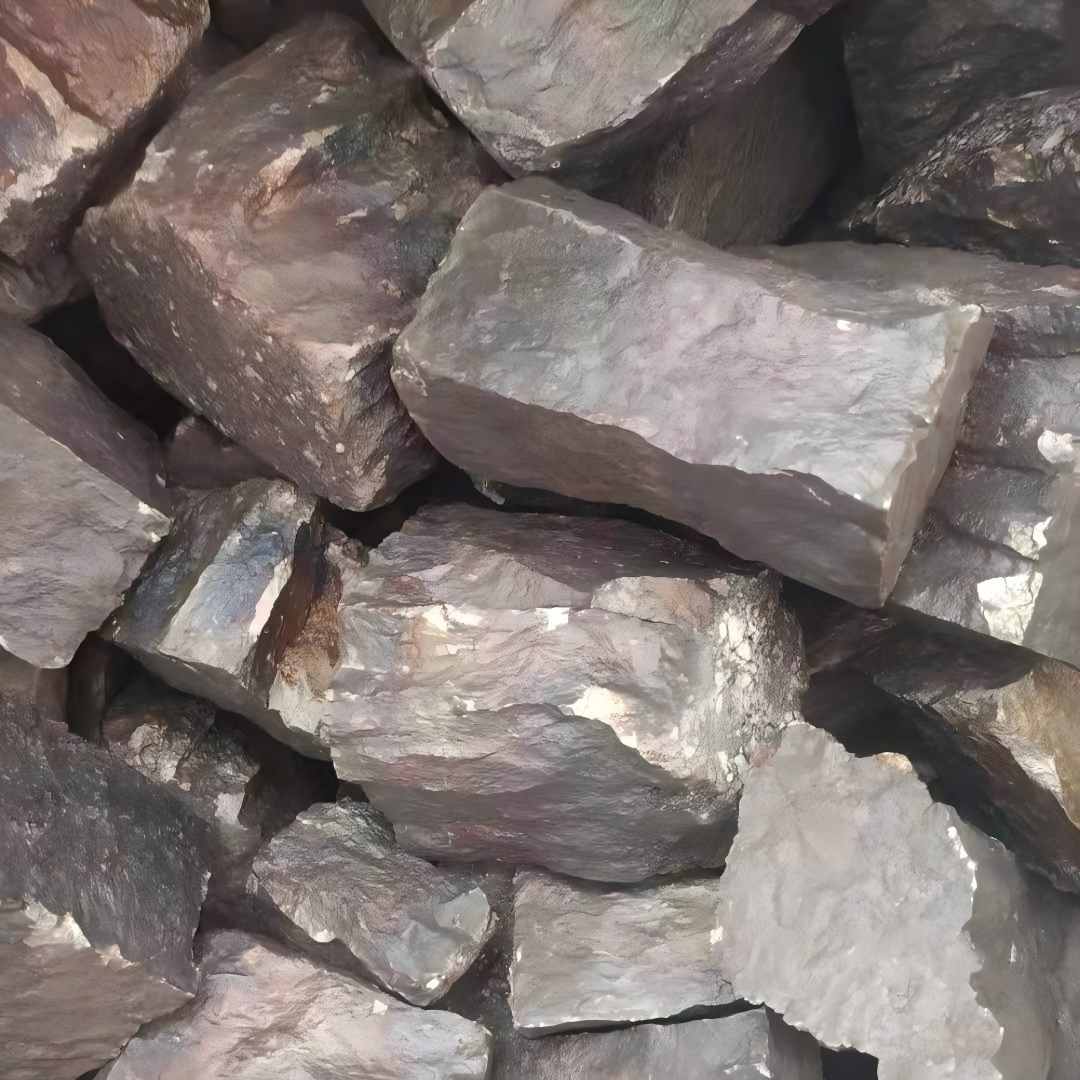
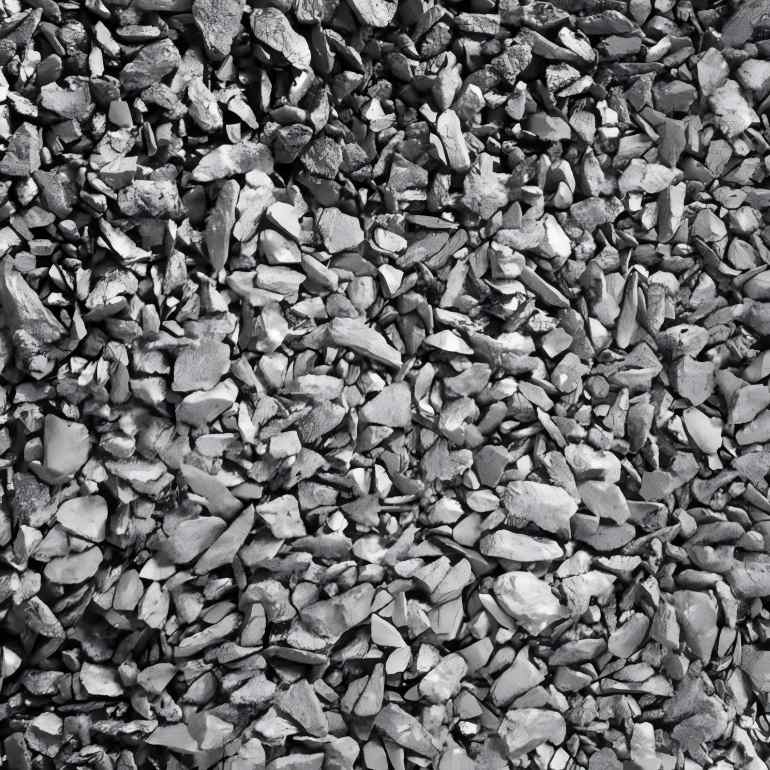
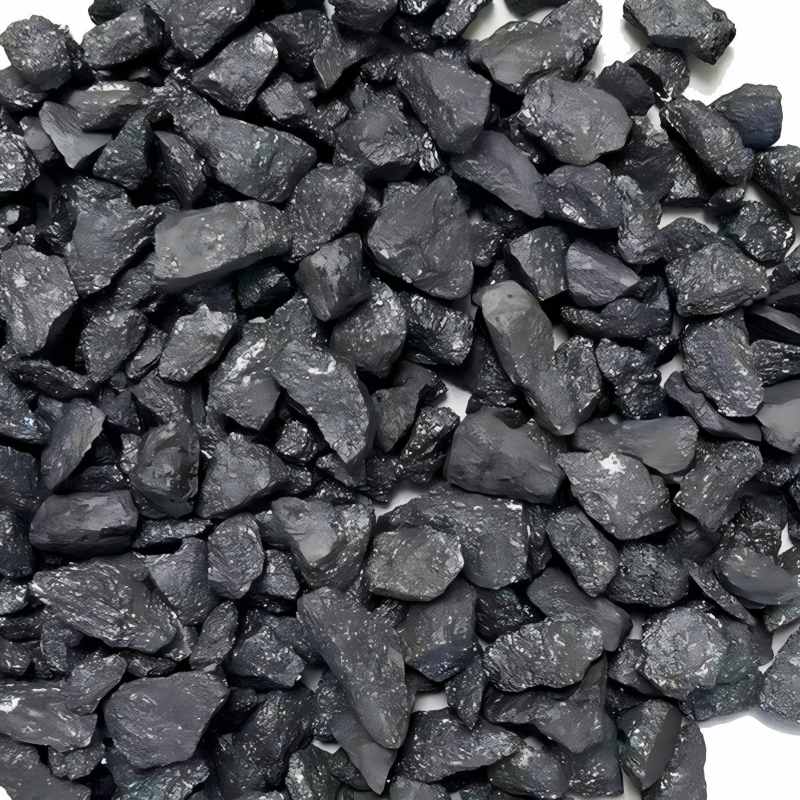
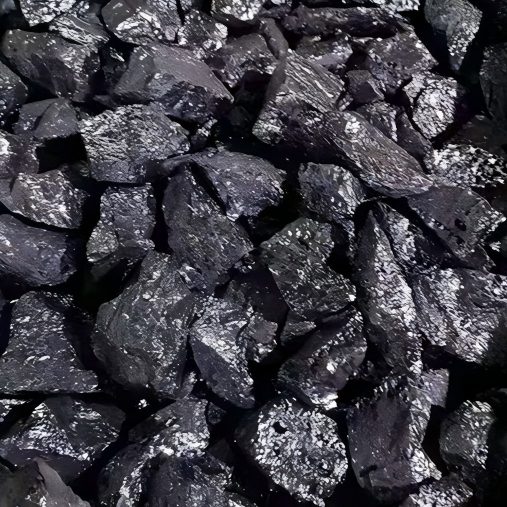
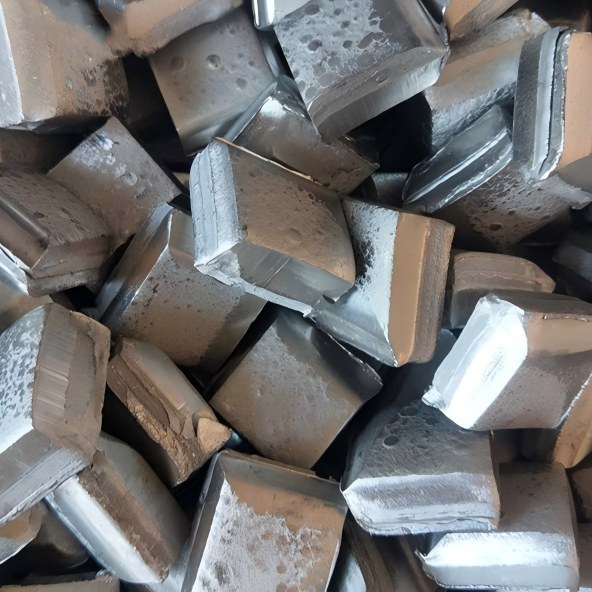
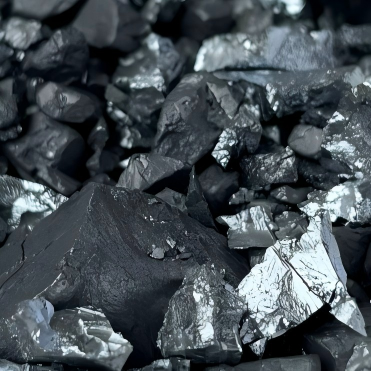
Ferrotungsten is usually supplied in lump form with typical metallic characteristics.
Main appearance features:
Lump shape
Silver-gray surface
Metallic luster
Ferrotungsten is mainly classified according to tungsten content and chemical composition requirements.
Production Process
Ferrotungsten is mainly produced through two production methods:
Electric Furnace Process
Tungsten concentrate, coke, iron scraps, and other raw materials are added into an electric furnace, where reduction reactions occur under high-temperature conditions to produce Ferrotungsten.
Aluminothermic Process
Aluminum reacts with tungsten oxides through an intense exothermic reduction reaction to produce Ferrotungsten.
Common Grades
Common grades:
FeW70
FeW80
Different grades are classified according to tungsten content and chemical composition requirements.
Chemical Composition (Reference)
Main classification based on tungsten content:
| Grade | Tungsten Content |
|---|---|
| FeW70 | Approx. 70% |
| FeW80 | Approx. 80% |
Specific chemical composition and technical specifications can be supplied according to customer requirements.
Please contact us to request detailed product datasheets. Contact us
Product Specifications
Common specification:
Lump Form
Basis:
70 Basis
Different specifications are available according to customer requirements.
Applications
Ferrotungsten is widely used in steelmaking, hard alloy production, and high-performance material industries as an important alloy additive.
In the steel industry, Ferrotungsten is mainly used for producing high-speed steel, tool steel, mold steel, and other special steels. It improves hardness, strength, wear resistance, and hot hardness, allowing steel materials to maintain excellent cutting performance and wear resistance even under high-temperature conditions.
In the hard alloy industry, Ferrotungsten is used in the production of carbide cutting tools, drills, molds, and other products. It significantly improves hardness and wear resistance, making these materials suitable for high-speed cutting and machining of difficult-to-process materials.
In addition, Ferrotungsten is also used in some high-temperature alloys, magnetic materials, and electronic components to improve material performance and meet special application requirements.
Product Advantages
High tungsten content
Excellent alloy strengthening performance
Improves hardness and wear resistance
Enhances high-temperature performance
Suitable for special steel production
Multiple grades available
Packaging Options
Available according to customer requirements:
Steel Drum Packaging
100kg / Drum
250kg / Drum
500kg / Drum
Customized Packaging
Storage & Transportation
Ferrotungsten should be stored in a dry and well-ventilated warehouse and protected from moisture.
During transportation, packaging damage should be avoided. Keep away from rain, water, acids, alkalis, and other corrosive substances.
Quality Control
We provide:
Chemical Composition Analysis
Mill Test Certificate (MTC)
Third-Party Inspection Services
Please contact us for Ferrotungsten product datasheets and technical specifications. Contact us
Related Product
Ferromolybdenum
For customers looking for other high-performance alloy additives, please explore our Ferromolybdenum products.
Ferromolybdenum is widely used in special steel and high-performance alloy production to improve strength, toughness, wear resistance, and high-temperature performance.
Explore More Ferroalloy Products
Tiegu supplies a wide range of ferroalloy products for global steelmaking and foundry industries.
You may also be interested in:
Ferrosilicon
Ferromanganese
Silicon Metal
Inoculant
Explore our complete Ferroalloy product range:
View All Ferroalloy Products →
Tiegu Supply Solutions
As a professional ferroalloy exporter, Tiegu provides high-quality, standards-compliant ferroalloys to international buyers.
We support customers with product specifications, quality documents, technical information, export documentation, and international logistics coordination, providing reliable ferroalloy sourcing solutions.
Contact Us
Contact Tiegu for Ferrotungsten product datasheets, FeW70 / FeW80 specifications, and quotation solutions. Contact us
Photos
-

High Carbon Ferromanganese Supplier in China | HC FeMn 65 & FeMn 75 | Tiegu
-

Ferrosilicon Supplier in China | FeSi 75, FeSi 72, Ferrosilicon Granules & Lump | Tiegu
-

Inoculant Supplier in China | FeSiBa & FeSiSr Inoculants for Foundries | Tiegu
-

Silicon Metal Supplier in China | 553, 441, 3303, 2202 Grade Silicon Metal | Tiegu
-

Electrolytic Nickel Supplier | High Purity Nickel Plate 99.9%
-

Carbon Additive Supplier | Calcined Petroleum Coke & Graphitized Carburizer
-

Slag Remover Supplier | Slag Coagulant for Steelmaking & Foundry
-

Chromite Sand Supplier | Foundry Grade Chromite Sand 40-70 50-100 Mesh