 en
en  fra
fra  de
de  ru
ru  ara
ara  gle
gle  it
it  jp
jp  kor
kor  th
th  zh
zh Introduction
Product Overview
Low / Micro Carbon Ferrochrome is a ferroalloy product mainly composed of chromium and iron, produced through refining processes to reduce carbon content.
With low carbon content and stable chromium content, Low / Micro Carbon Ferrochrome is mainly used in the production of special steels, stainless steels, and alloy steels. It is an important alloy additive for improving corrosion resistance, wear resistance, and overall material performance.
Tiegu delivers high-quality, standards-compliant ferroalloys to international buyers, ensuring reliable supply and consistent quality across the production chain.
Product Identification
Low Carbon Ferrochrome and Micro Carbon Ferrochrome are mainly classified according to carbon content.
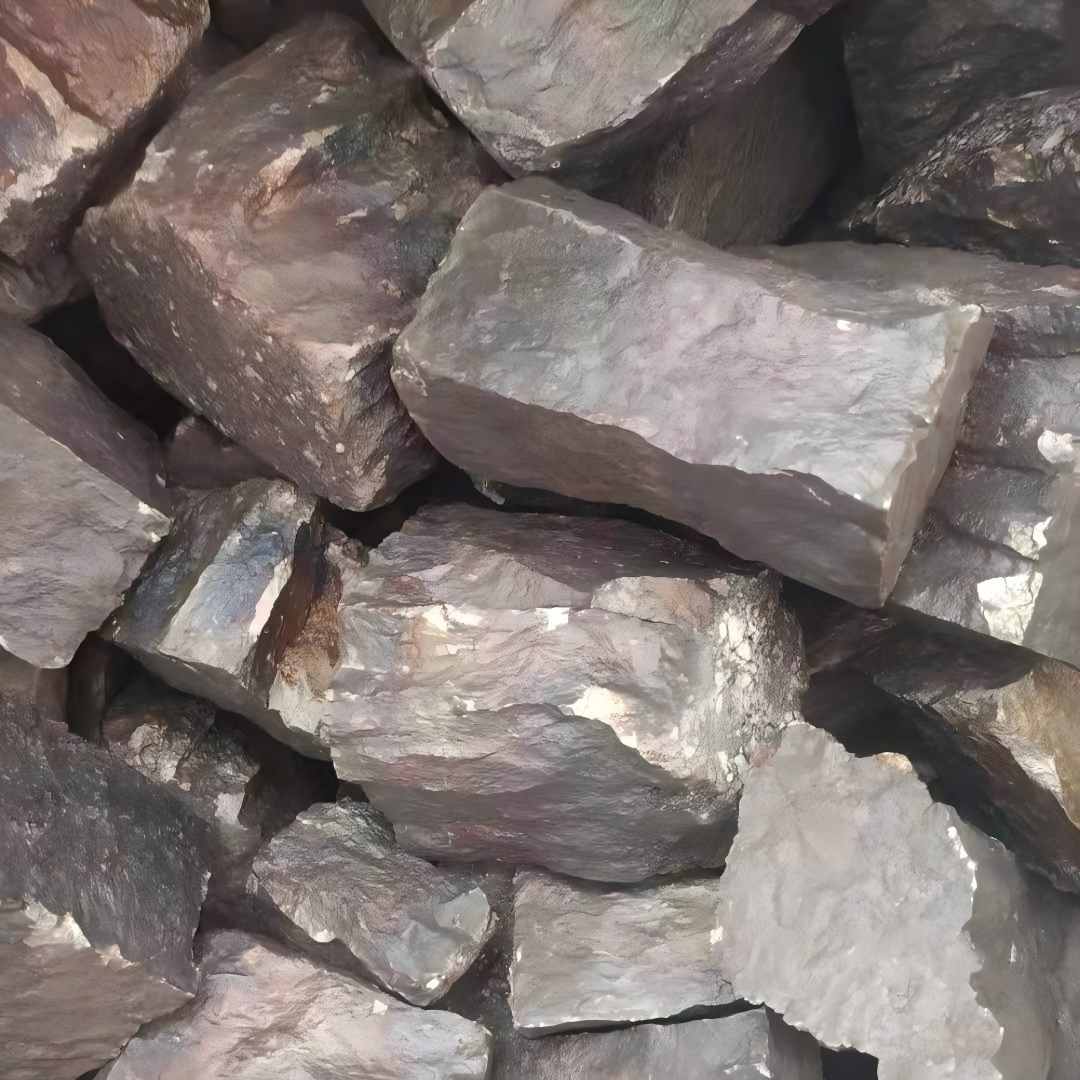
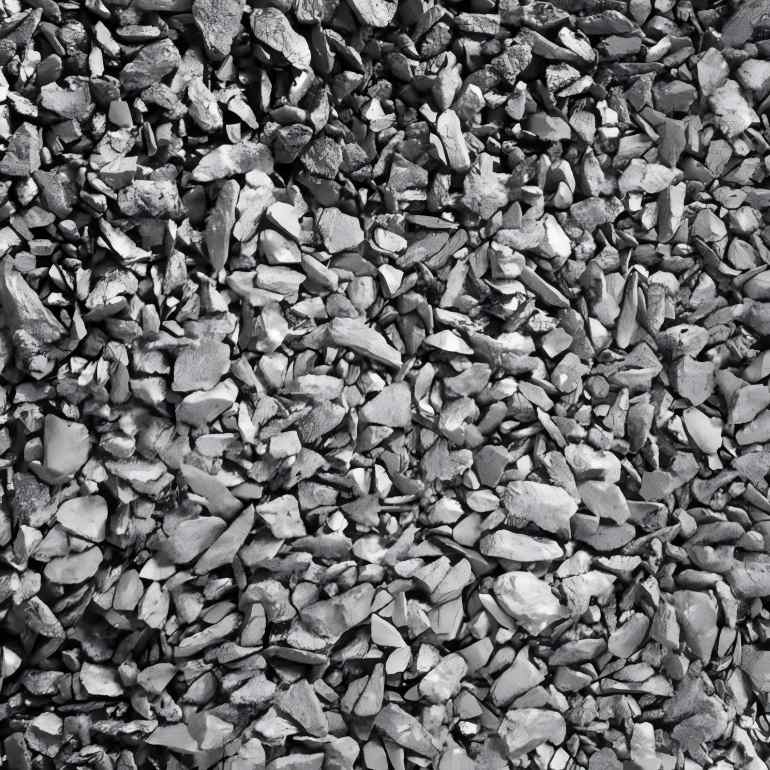
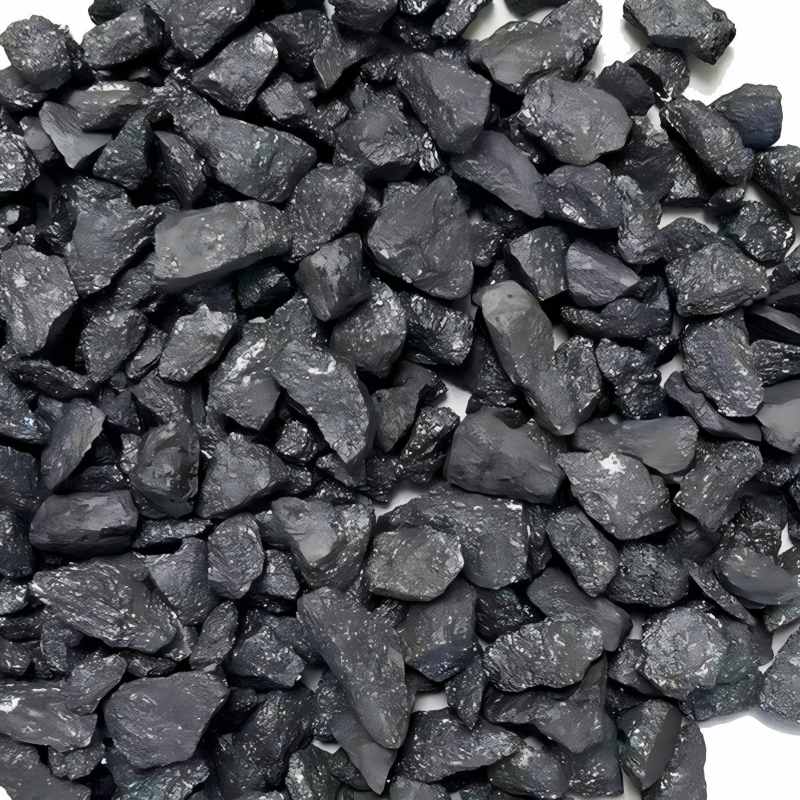
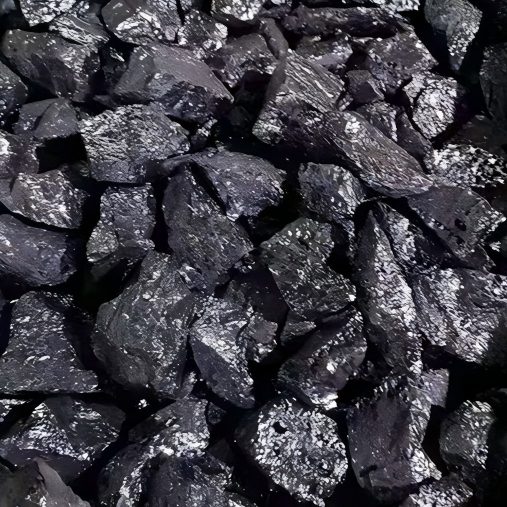
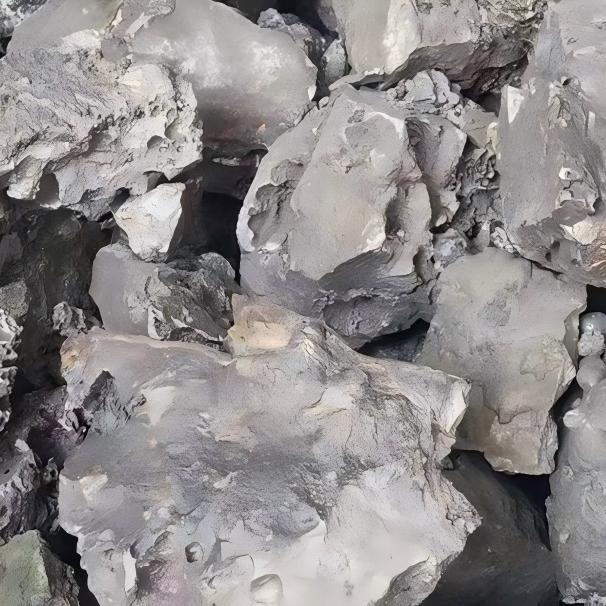
Because products with different carbon levels have very similar appearances, grades such as C0.25, C0.1, C0.06, and C0.03 are difficult to distinguish visually. Customers should confirm the required grade according to chemical composition requirements.
Appearance Characteristics
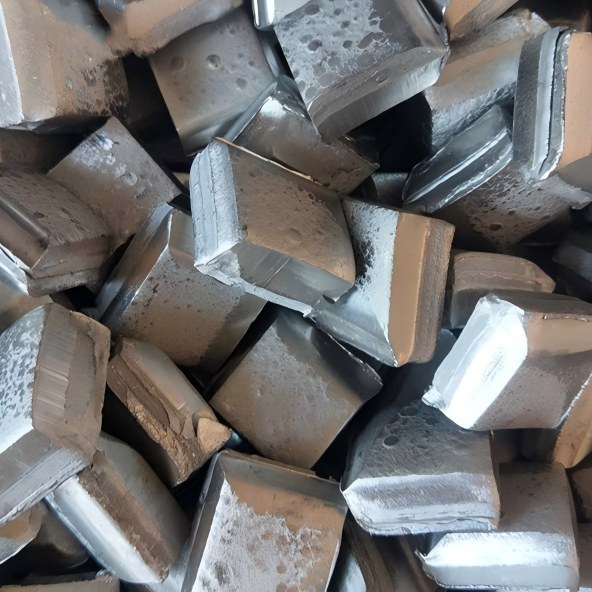
Low / Micro Carbon Ferrochrome consists of fine internal crystal structures.
Main characteristics:
High hardness
Dense structure
Limited visual difference between different carbon grades
Due to its high hardness, the product is difficult to process manually.
Common Grades
Low / Micro Carbon Ferrochrome is classified according to carbon content:
FeCr55C0.25 (Low Carbon Ferrochrome)
FeCr55C0.1 (V10, Micro Carbon Ferrochrome)
FeCr55C0.06 (V6, Micro Carbon Ferrochrome)
FeCr55C0.03 (V3, Micro Carbon Ferrochrome)
Related grade:
FeCr55C2.0 (Medium Carbon Ferrochrome)
Medium Carbon Ferrochrome has relatively limited market circulation, and some applications have gradually been replaced by Low Carbon Ferrochrome C0.25.
Chemical Composition (Reference)
Main classification based on carbon content:
| Grade | Carbon Content |
|---|---|
| FeCr55C0.25 | C≤0.25% |
| FeCr55C0.1 | C≤0.10% |
| FeCr55C0.06 | C≤0.06% |
| FeCr55C0.03 | C≤0.03% |
Specific chemical composition can be supplied according to customer requirements.
Please contact us to request detailed technical specifications and product datasheets. Contact us
Product Specifications
Natural Lump
Processed Lump 10-50mm
Basis:
60 Basis
Different specifications are available according to customer requirements.
Applications
Low / Micro Carbon Ferrochrome is mainly used in special steel, stainless steel, and alloy steel production. As an important alloy additive, it improves corrosion resistance, oxidation resistance, wear resistance, and hardness, while enhancing the overall performance of cast products.
In stainless steel production, Low / Micro Carbon Ferrochrome is an important chromium alloy material that improves corrosion resistance, oxidation resistance, and strength. It is widely used in stainless steel products such as kitchenware, medical equipment, and architectural decoration materials.
In heat-resistant steel manufacturing, adding Low / Micro Carbon Ferrochrome improves high-temperature performance, making it suitable for applications such as furnace tubes, boiler components, and other equipment operating under high-temperature conditions.
In addition, Low / Micro Carbon Ferrochrome is also used in the production of alloy structural steels, tool steels, and other special steel products to improve comprehensive material performance and meet different industrial requirements.
Product Advantages
Low carbon content
Stable chromium content
Improves steel corrosion resistance
Enhances wear resistance and hardness
Suitable for high-quality steel production
Multiple carbon grades available
Packaging Options
Available according to customer requirements:
1 MT Jumbo Bags
Palletized Packaging
Customized Packaging
Storage & Transportation
The product should be stored in a dry and well-ventilated warehouse and protected from long-term exposure to moisture.
During transportation, packaging damage should be avoided. Keep away from rain, water, acids, alkalis, and other corrosive substances.
Quality Control
We provide:
Chemical Composition Analysis
Mill Test Certificate (MTC)
Third-Party Inspection Services
Please contact us for product datasheets and detailed technical information. Contact us
Related Product
High Carbon Ferrochrome
For customers requiring conventional chromium alloy additives with higher carbon content, please explore our High Carbon Ferrochrome products.
High Carbon Ferrochrome is widely used in stainless steel and alloy steel production for chromium addition.
View Product →
Explore More Ferroalloy Products
Tiegu delivers high-quality, standards-compliant ferroalloys to international buyers, ensuring reliable supply and consistent quality across the production chain.
You may also be interested in:
Explore more ferroalloy products:
View All Ferroalloy Products →
Tiegu Supply Solutions
Tiegu delivers high-quality, standards-compliant ferroalloys to international buyers, ensuring reliable supply and consistent quality across the production chain.
We support customers with product specifications, quality documents, technical information, and export-related services, providing reliable ferroalloy supply solutions for global buyers.
Contact Us
Contact Tiegu for Low / Micro Carbon Ferrochrome product datasheets, technical specifications, and quotation solutions. Contact us
Photos
-

High Carbon Ferromanganese Supplier in China | HC FeMn 65 & FeMn 75 | Tiegu
-

Ferrosilicon Supplier in China | FeSi 75, FeSi 72, Ferrosilicon Granules & Lump | Tiegu
-

Inoculant Supplier in China | FeSiBa & FeSiSr Inoculants for Foundries | Tiegu
-

Silicon Metal Supplier in China | 553, 441, 3303, 2202 Grade Silicon Metal | Tiegu
-

Electrolytic Nickel Supplier | High Purity Nickel Plate 99.9%
-

Carbon Additive Supplier | Calcined Petroleum Coke & Graphitized Carburizer
-

Slag Remover Supplier | Slag Coagulant for Steelmaking & Foundry
-

Chromite Sand Supplier | Foundry Grade Chromite Sand 40-70 50-100 Mesh