
 en
en  fra
fra  de
de  ru
ru  ara
ara  gle
gle  it
it  jp
jp  kor
kor  th
th  zh
zh What Communication Risks Exist in Overseas Custom Casting Procurement?
2026-03-02 16:34:27 hits:0
In international custom casting procurement, communication risks are often more critical than production risks.
When projects involve cross-border coordination, different technical standards, and multiple foundries, misunderstandings can easily lead to quality disputes, delivery delays, or unexpected cost increases.
Based on extensive experience in coordinating international custom casting export projects, we have identified several key communication risks that buyers should pay close attention to.
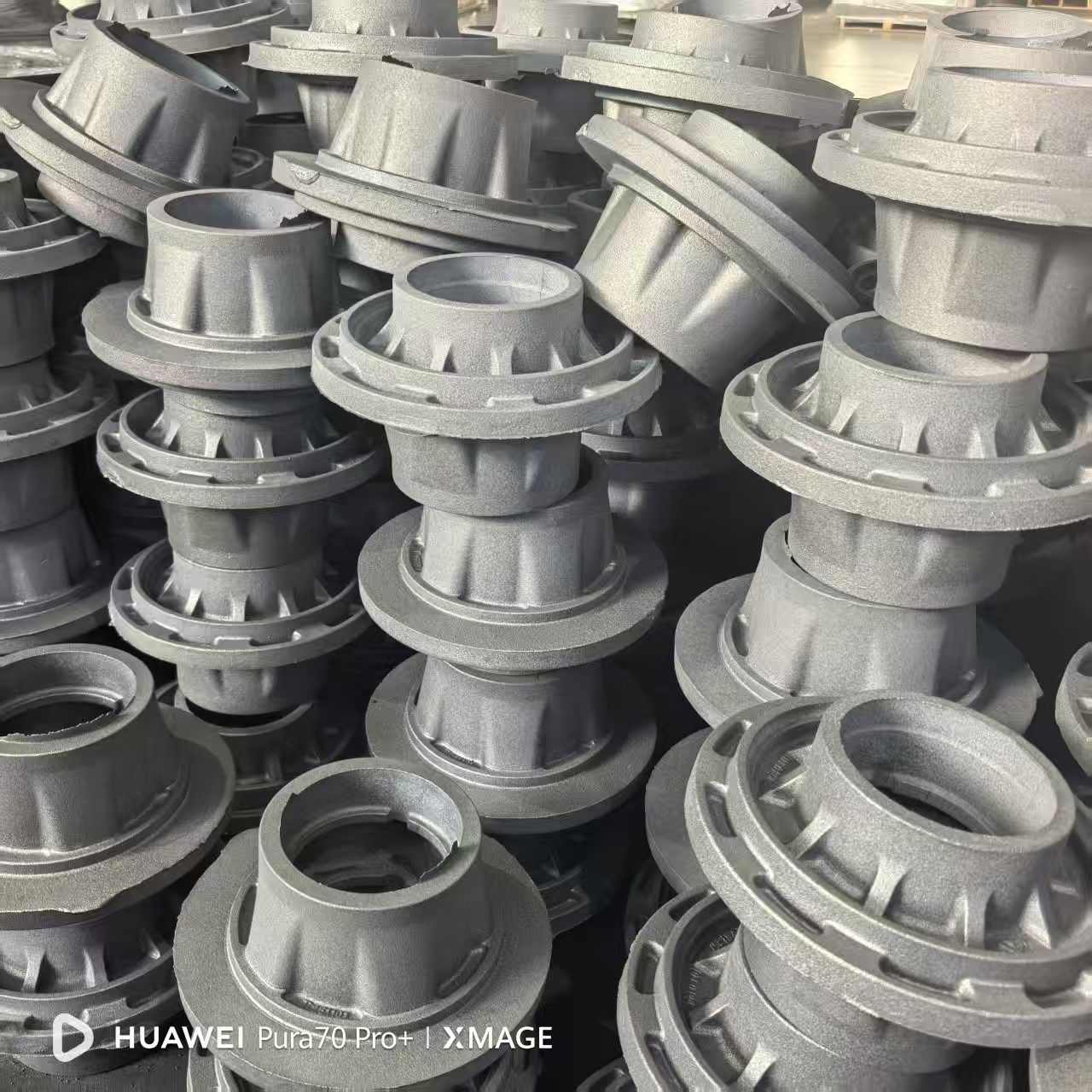
1. Drawing Interpretation Gaps
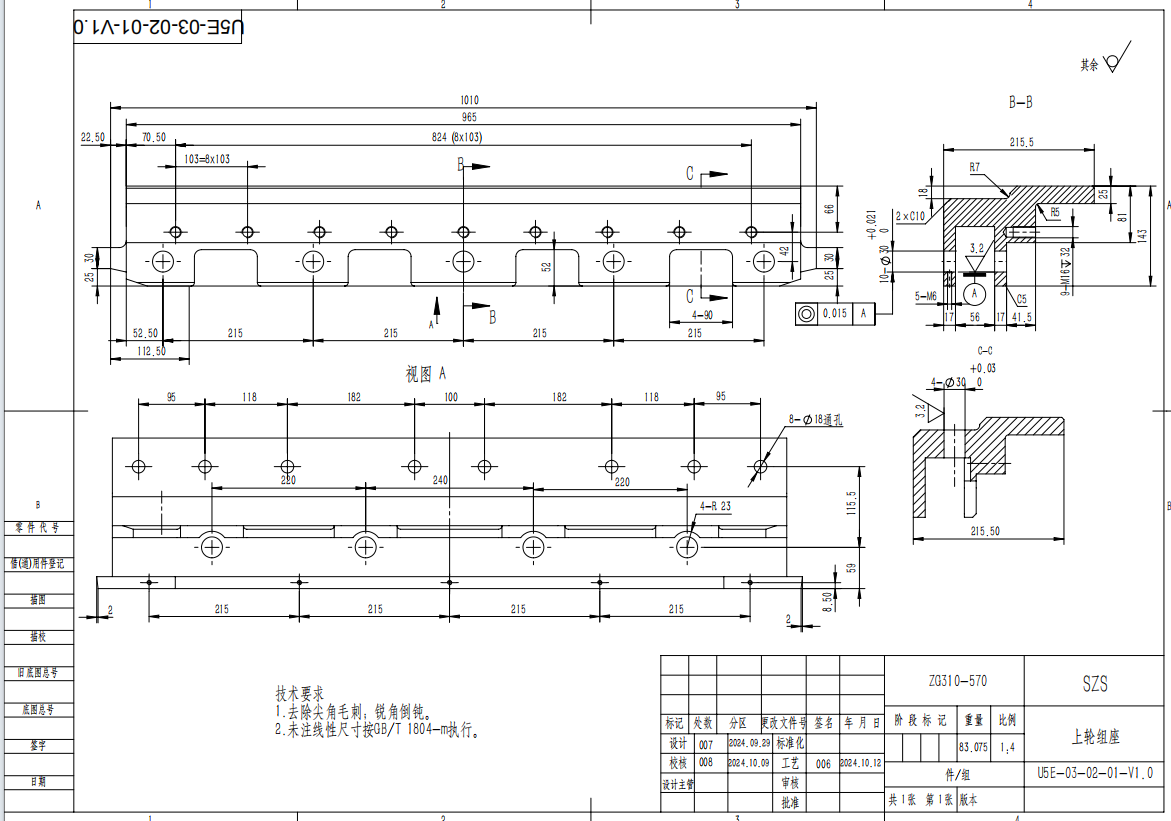
Technical drawings are the foundation of custom casting projects. However, in overseas procurement, common issues include:
Unsynchronized drawing revisions
Confusion between metric and imperial units
Different interpretations of tolerance requirements
Unclear machining allowances
If these details are not aligned at the early stage, the cost of rework can be significant.
In structured export management, drawing version confirmation and technical clarification meetings are essential steps to reduce interpretation risks.
2. Material Standard Misalignment
Different regions adopt different material standards, such as ASTM, EN, or JIS.
Simply referencing a material name without clearly defining the applicable standard number and performance requirements may result in:
Mechanical properties not meeting expectations
Chemical composition discrepancies
Acceptance conflicts during inspection
For export-oriented custom castings, establishing material equivalency confirmation in advance is critical.
3. Unclear Quality Acceptance Criteria
Quality disputes in international casting projects often arise from unclear inspection expectations, such as:
Whether third-party inspection is required
Sampling ratio for batch inspection
Surface defect acceptance limits
Without clearly defined inspection standards in the contract stage, disagreements may occur during delivery.
A structured export coordination approach ensures that inspection standards, documentation format, and acceptance procedures are aligned before production begins.
4. Delivery Schedule Misunderstanding
In custom casting export projects, delivery timelines are influenced by:
Pattern development cycles
Raw material preparation
Production scheduling across multiple batches
Especially in projects involving multiple foundries within an integrated supply network, delivery expectations must be clearly broken down into:
Sample production timeline
Mass production schedule
Shipment coordination plan
Transparent milestone confirmation significantly reduces delivery-related disputes.
5. Engineering Change Communication Delays
Design modifications are common in custom casting projects.
Risks arise when:
Changes are not formally documented
Old and new drawings are mixed
Cost and lead time impacts are not recalculated
A professional export coordination process requires written confirmation of all engineering changes, along with synchronized updates across technical and commercial documentation.
6. Language and Cultural Communication Differences
Beyond language translation, international projects involve deeper communication challenges:
Different risk perception approaches
Variations in responsibility allocation
Differences in negotiation styles
Engineering projects require precise, data-driven communication. Ambiguity increases uncertainty.
For this reason, overseas custom casting procurement benefits from a structured coordination role that ensures accurate transmission of technical and commercial information across all parties.
Why Structured Communication Is Essential in Custom Casting Export
Compared to direct single-factory procurement, export projects that rely on integrated foundry networks require:
Clear technical validation procedures
Unified quality control standards
Transparent delivery coordination
Proactive risk identification
As a Professional Casting Export Partner with Integrated Supply Network, structured communication and supply chain coordination are central to maintaining project stability in complex international custom casting procurement.