
 en
en  fra
fra  de
de  ru
ru  ara
ara  gle
gle  it
it  jp
jp  kor
kor  th
th  zh
zh How to Verify Pig Iron Quality Before You Commit: A Buyer's Checklist
2026-07-28 16:56:52 hits:0
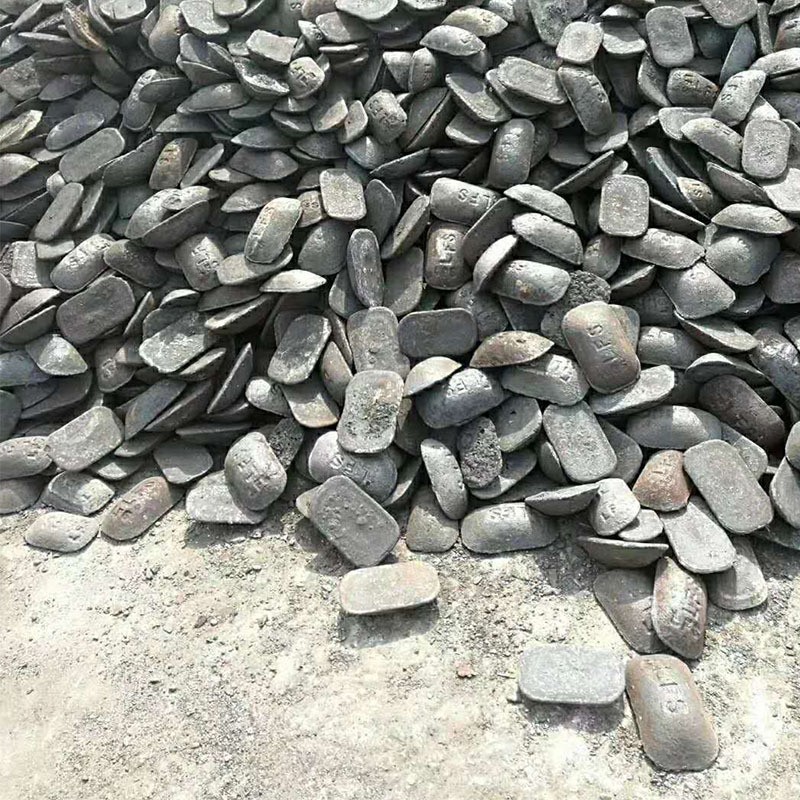
Two shipments can look identical on paper and melt completely differently in your furnace. The difference shows up as hard spots, shrinkage porosity, or carbon pickup that fights you the whole run. Verification is what closes that gap — and it has to happen before you pay, not after the bars are sitting in your yard.
This checklist covers the four steps that actually catch bad pig iron: reading the mill test certificate, sampling independently, using third-party inspection, and recognizing the red flags that mean you walk away. If you're still choosing a grade, start with our guide on how to select high-quality pig iron.
1. Why Verification Comes Before Price
Buyers fixate on the per-ton price first. That's normal. It's also backwards.
A "foundry grade" lot quoted a little cheaper can cost you far more if it pours poorly. Hard spots mean extra machining. Porosity means scrap castings. Carbon that won't stabilize means re-treatments and rejected batches.
One bad 500-ton lot can stall a production line for days. The verification steps below cost a fraction of that. They are not optional paperwork — they are the difference between a melt that runs and a melt that fights you.
Good verification also protects your standing with your own customers. When their castings come out right the first time, your name stays on their approved-supplier list. When they don't, the blame lands on you, not the pig iron mill you can no longer reach.
Most procurement failures follow the same script, and we've laid them out in costly mistakes in pig iron procurement. Skipping verification is usually the first one.
Not sure what your melt actually requires? Request a pig iron specification sheet tailored to your foundry →
2. The Mill Test Certificate (MTC): What to Actually Check
Every serious pig iron shipment ships with a mill test certificate. The certificate is only as useful as what you check on it. Four fields matter most:
Batch or heat number. This ties the certificate to a specific production run. If the supplier can't give you a batch number, you have no traceability and no recourse.
Element values. Carbon, silicon, manganese, phosphorus, sulfur — and the trace elements if you're making ductile iron. These must fall inside your spec range, not just inside a loose "foundry grade" label.
Sampling standard. The certificate should state how and when the sample was taken. A value with no stated sampling method is a value you can't trust.
Issuing party. Who signed it? A certificate from the producer's own lab is a starting point. For higher-value orders, buyers often request an independently verified certificate — for example, one issued under EN 10204 Type 3.1 — so the data comes from an authorized inspector rather than the party selling the metal.
Don't know what each element does to your melt? Our breakdown of pig iron chemical composition explains what every number on that certificate means for your foundry.
3. Independent Sampling & Chemical Analysis
The certificate tells you what the producer measured. Independent sampling tells you what you actually received.
Best practice: sample at the loading port, before the container seals. Draw from multiple bars across the lot, not one convenient piece. Seal the samples and split them — one set stays with you, one goes to the lab.
For a fast check, a handheld spectrometer (PMI) gives you carbon, silicon, manganese, and the major elements in minutes. For full confidence — especially trace elements like lead, titanium, and antimony in ductile iron — send samples to an ISO 17025 accredited laboratory.
Arriving samples at your own dock works too, but it's slower and the bars are already in your custody. Port-side sampling lets you stop a bad lot before it ships.
Keep the sealed reference sample for at least one full production cycle. If a casting defect surfaces three weeks later, that sample is the only thing that proves whether the raw material or your own process was at fault.
4. Third-Party Inspection at Loadout
Third-party inspection means an independent firm — SGS, Bureau Veritas, or similar — witnesses the loadout, verifies quantity and packing, and seals samples on your behalf.
It isn't always necessary. For a repeat supplier with a clean track record and consistent batches, you may rely on the MTC plus your own port-side sampling. The inspection earns its cost when:
You're buying from a supplier for the first time.
The order value is high enough that one bad lot hurts.
The specification is tight and hard to confirm by eye.
You can't easily send someone to the port yourself.
Inspection fees scale with scope, not just tonnage — a basic loadout witness costs less than full sampling plus lab analysis. If you're new to importing, pair this step with our key precautions for pig iron import so logistics and quality checks line up.
5. Red Flags: When to Walk Away
Most pig iron problems announce themselves before shipment — if you're watching. Three red flags should stop the order:
Values drift at the edges of your spec. A certificate sitting right at the limit on every element suggests the lot was "spec'd to pass" rather than made to your range. Tighten your acceptance band or ask for a different heat.
The certificate doesn't match the product. Batch numbers, grades, or weights on the paper that don't line up with the physical bars or the packing list. Walk away.
The supplier refuses sealing or sampling. Any pushback on independent sampling or third-party sealing is the clearest signal you'll get. No verification, no order.
Frequently Asked Questions
1. Is a pig iron MTC enough on its own?
For a trusted repeat supplier with stable batches, the MTC plus your own checks may be enough. For a new supplier or a tight spec, no — pair it with independent sampling or a third-party certificate. The certificate is a claim; sampling is proof.
2. Can I test a shipment after it arrives at my port?
Yes, and many buyers do. But it's the slower, weaker option. By the time bars are in your yard, the supplier has been paid and the lot is your problem. Port-side sampling before sealing catches issues while you still control the order.
3. What elements matter most for foundry use?
Carbon and silicon drive the melt. Manganese, phosphorus, and sulfur decide machinability and defects. For ductile iron, watch trace elements — lead below 0.002% and titanium below 0.04% — because they wreck nodularity even in tiny amounts.
4. When does third-party inspection actually pay off?
When the downside of one bad lot is large: first-time supplier, high order value, tight spec, or no one on the ground at the port. Repeat, low-risk orders rarely need it.
Tiegu is a China-based pig iron supplier serving foundries and steel mills across Southeast Asia, South Asia, and beyond. Through long-term strategic partnerships with more than ten leading Chinese pig iron producers, we supply a comprehensive portfolio of grey pig iron, high-purity pig iron, nodular pig iron, and steelmaking pig iron for diverse foundry and steelmaking applications. Supported by annual domestic sales exceeding 900,000 metric tons, we provide stable supply, batch-specific mill test certificates, and coordinated export logistics to help international buyers source with confidence.