
 en
en  fra
fra  de
de  ru
ru  ara
ara  gle
gle  it
it  jp
jp  kor
kor  th
th  zh
zh How to Reduce Casting Defects? Common Problems and Practical Solutions
2026-03-20 15:44:13 hits:0
Quick Answer
Reduce casting defects through proper gating design, controlled cooling rates, and quality raw materials. Key steps include: optimize runner system, maintain melting temperature within ±20°C, use quality sand with proper moisture (3-5%), implement sequential solidification, and conduct regular process audits. Typical defect reduction: 30-50% within 3 months.
Introduction
Casting defects directly impact product quality, delivery schedules, and customer satisfaction.
Common defects like porosity, shrinkage, and cold shuts can cause 8-15% material loss in typical foundries.
This guide identifies the 8 most common casting defects and provides practical solutions to reduce defect rates.
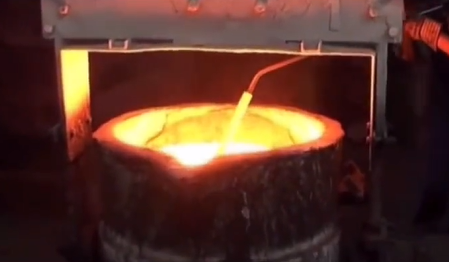
8 Most Common Casting Defects
Defect 1: Gas Porosity
Gas porosity appears as smooth-walled holes in the casting:
· Cause: Trapped gas during solidification
· Sources: Moisture in sand, inadequate venting, turbulent pouring
· Appearance: Round or oval holes with smooth surfaces
· Location: Usually near surface or in thick sections
Solutions:
· Control sand moisture content (3-5% for green sand)
· Improve mold venting with vent rods or vent wax
· Reduce pouring turbulence with proper gating design
· Preheat molds to 150-200°C to reduce gas generation
Defect 2: Shrinkage Porosity
Shrinkage porosity occurs when metal contracts during solidification:
· Cause: Insufficient feeding during solidification
· Appearance: Irregular, rough-walled cavities
· Location: Hot spots, thick sections, junctions
Solutions:
· Design proper riser system for sequential solidification
· Use chills to control cooling rate in thick sections
· Optimize gating to ensure directional solidification
· Apply insulation sleeves on risers to extend feeding time
Defect 3: Cold Shuts
Cold shuts occur when two metal streams fail to fuse properly:
· Cause: Low pouring temperature or slow pouring
· Appearance: Visible line or seam on casting surface
· Location: Usually at flow convergence points
Solutions:
· Increase pouring temperature by 20-30°C
· Improve gating design for faster mold filling
· Use larger gates to reduce flow resistance
· Preheat molds to reduce cooling rate
Defect 4: Sand Inclusions
Sand inclusions are sand particles trapped in the casting:
· Cause: Mold wall erosion during pouring
· Appearance: Sand particles visible in casting
· Location: Near surface, especially bottom areas
Solutions:
· Improve sand strength with proper binder content
· Apply mold wash or coating for surface protection
· Reduce pouring height to minimize erosion
· Use ceramic filters in gating system
Defect 5: Hot Tears
Hot tears are cracks formed during solidification:
· Cause: Thermal stress exceeds material strength
· Appearance: Rough, oxidized crack surfaces
· Location: Stress concentration areas, sharp corners
Solutions:
· Add fillets to reduce stress concentration
· Improve mold collapsibility to reduce restraint
· Control cooling rate with proper chills
· Optimize alloy composition for better hot strength
Defect 6: Misruns
Misruns occur when metal fails to fill the mold completely:
· Cause: Low pouring temperature or slow pouring
· Appearance: Incomplete casting, rounded edges
· Location: Thin sections, far from gates
Solutions:
· Increase pouring temperature
· Improve gating system for faster filling
· Increase section thickness where possible
· Use more fluid alloys or improve melt quality
Defect 7: Hard Spots
Hard spots are localized areas of excessive hardness:
· Cause: Rapid cooling or carbide formation
· Appearance: Difficult to machine areas
· Location: Thin sections, edges, corners
Solutions:
· Control cooling rate with proper mold design
· Adjust alloy composition (reduce carbide formers)
· Apply post-casting annealing if necessary
· Use chills strategically to control solidification
Defect 8: Blowholes
Blowholes are large gas cavities inside the casting:
· Cause: Excessive gas generation or poor venting
· Appearance: Large internal cavities (5-50mm)
· Location: Core areas, thick sections
Solutions:
· Improve core venting with vent wires
· Reduce binder content in cores
· Ensure proper core baking (time and temperature)
· Use low-gas generating materials
Defect Summary and Quick Reference
Defect | Main Cause | Key Solution |
Gas Porosity | Moisture, poor venting | Control moisture, improve venting |
Shrinkage | Insufficient feeding | Proper riser design, chills |
Cold Shuts | Low temperature | Increase temp, faster pouring |
Sand Inclusions | Mold erosion | Better sand strength, coatings |
Hot Tears | Thermal stress | Fillets, improve collapsibility |
Misruns | Low temp, slow fill | Higher temp, better gating |
Hard Spots | Rapid cooling | Control cooling, adjust alloy |
Blowholes | Excessive gas | Better core venting, baking |
Process Control for Defect Prevention
· Melting Control: Maintain temperature within ±20°C of target
· Sand Testing: Daily moisture, strength, and permeability tests
· Pouring Time: Consistent pouring speed for each mold type
· Cooling Time: Adequate cooling before shakeout (minimize stress)
· Quality Checks: First piece inspection for each batch
How Professional Partners Help
Working with experienced casting partners can significantly reduce defect rates:
· Established process controls - Proven procedures for each alloy
Related Solutions:
• Custom Casting Solutions - https://www.tieguexport.com/index.php?c=category&id=43
• Gray Iron Casting Solutions - https://www.tieguexport.com/index.php?c=category&id=49
· Quality management systems - ISO 9001 certified processes
· Technical expertise - Engineers with 10+ years experience
· Testing capabilities - In-house lab for rapid analysis
Tiegu coordinates with qualified foundries that maintain defect rates below 5% through systematic process control and continuous improvement.
Cost Impact of Defect Reduction
Reducing defects has direct financial benefits:
Performance Level | Material Loss | Rework Cost | Total Impact |
Defect Rate | Material Loss | Rework Cost | Total Impact |
15% (typical) | 15% of material | High | Baseline |
10% (improved) | 10% of material | Medium | -33% cost |
5% (excellent) | 5% of material | Low | -67% cost |
Conclusion
Casting defects can be significantly reduced through systematic approach.
Focus on the 8 common defects and apply targeted solutions.
Process control and continuous improvement are key to sustained quality.
FAQ
Q: What is a typical acceptable defect rate for castings?
Applications:
• Automotive Parts - https://www.tieguexport.com/index.php?c=category&id=51
• Engineering Machinery - https://www.tieguexport.com/index.php?c=category&id=52
A: Industry standard is 5-8% for general castings. Automotive and critical applications require <3%. World-class foundries achieve <2% defect rates.
Q: How long does it take to see improvement after implementing solutions?
A: Initial improvements visible in 2-4 weeks. Sustained 30-50% reduction typically achieved within 3 months with consistent process control.
Q: Which defect is most common in gray iron castings?
A: Gas porosity and shrinkage are most common in gray iron. Sand inclusions also frequent due to higher pouring temperatures compared to ductile iron.
Q: What is the most cost-effective way to reduce defects?
A: Proper gating design and process control offer best ROI. Small investments in sand testing equipment and operator training yield significant returns.
Q: Should I reject castings with minor defects?
A: Depends on application. Critical surfaces and pressure-containing parts require zero defects. Non-critical areas may accept minor defects after engineering review.