
 en
en  fra
fra  de
de  ru
ru  ara
ara  gle
gle  it
it  jp
jp  kor
kor  th
th  zh
zh How to Control Procurement Risks When Importing Ductile Iron Pipes | 30+ Years Export Experience?
2026-02-28 14:16:13 hits:0
How to Control Procurement Risks When Importing Ductile Iron Pipes
International infrastructure projects often involve large-volume purchases of ductile iron pipes. While the product itself is standardized, procurement risks can still arise due to specification gaps, quality inconsistencies, or coordination issues between multiple parties.
Understanding where risks occur — and how to control them — is essential for successful import projects.
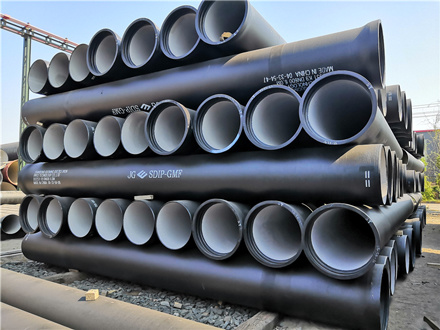
1. Risk Starts with Incomplete Technical Confirmation
One of the most common causes of procurement problems is unclear specification alignment.
Typical risk areas include:
Pressure class (K7, K9, K12)
Wall thickness tolerance
Lining and coating standards
Joint type compatibility
Applicable standards (ISO 2531, EN 545, EN 598)
Even small inconsistencies between purchase contracts and factory production sheets can lead to delays during inspection or customs clearance.
Professional buyers usually request:
Detailed technical drawings
Confirmed production standards
Material certificates
Third-party inspection reports
Clear documentation reduces disputes before shipment even begins.
2. Factory Capability and Consistency Risk
Not all foundries operate at the same production stability level.
Common supplier-side risks include:
Inconsistent coating thickness
Irregular dimensional tolerances
Delivery delay during peak production periods
Limited export documentation experience
For overseas buyers, working directly with a single unfamiliar factory may increase exposure to these uncertainties.
This is why many infrastructure contractors prefer cooperating with experienced trading companies that understand multiple factories and can compare production capability before order placement.
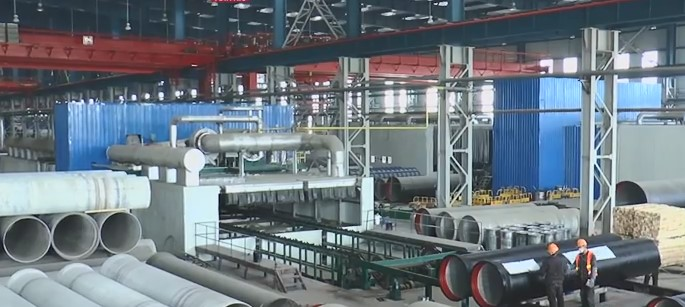
3. Export Coordination and Documentation Risk
Customs clearance and project acceptance often depend more on paperwork than on the product itself.
Risk areas include:
Missing mill test certificates
Incomplete packing lists
Non-standard labeling
Improper fumigation documentation for wooden packing
Even when products meet technical requirements, inconsistent documentation can create delays at destination ports.
Experienced exporters typically establish standardized document preparation processes to avoid such disruptions.
4. Inspection and Traceability Risk
Inspection issues usually stem from unclear acceptance criteria.
To reduce risk:
Confirm inspection standards before production
Define sampling ratios clearly
Keep batch traceability records
Archive coating and lining inspection data
Traceable production records help prevent disputes during project handover.
Clear contract terms and traceable inspection records significantly reduce customs and project acceptance issues.
5. Price Risk vs. Long-Term Stability
Some buyers focus primarily on the lowest quotation. However, extremely low prices may signal:
Reduced wall thickness margin
Lower coating quality
Limited after-sales support
Financial instability of the supplier
Stable infrastructure projects usually prioritize:
Production reliability
Technical compliance
Delivery consistency
Export experience
Short-term savings can turn into long-term project risk.

6. Why Experience Matters in Risk Control
Controlling procurement risk is not only about product quality. It is about managing:
Specification confirmation
Factory selection
Production supervision
Export documentation
Delivery coordination
This is where experience plays a decisive role.
Tiegu is a professional ductile iron trading company with over 30 years of experience in the foundry industry. Through long-term cooperation with multiple qualified manufacturers, we help overseas buyers compare factory capability, verify technical details, and coordinate export processes more efficiently.
Instead of relying on a single production source, buyers can benefit from structured supplier evaluation and coordinated sourcing management.
Final Thoughts
Procurement risks in ductile iron pipe imports usually arise from specification gaps, documentation inconsistencies, and supplier instability rather than from the material itself.
Clear technical confirmation, structured inspection processes, and experienced export coordination significantly reduce potential disruptions.
For long-term infrastructure projects, risk control is often more important than short-term pricing advantages.