
 en
en  fra
fra  de
de  ru
ru  ara
ara  gle
gle  it
it  jp
jp  kor
kor  th
th  zh
zh What Are the Common Manhole Cover Problems and Solutions? Complete Guide
2026-05-22 02:20:55 hits:0
⚡ Quick Answer: The most common manhole cover problems and solutions are: (1) Cracking — caused by wrong load class, impact loading, or poor material; solution: specify correct EN124 load class, use ductile iron (GGG50); (2) Noise (rattling) — caused by uneven frame, worn gasket, or debris; solution: level frame ±2mm, replace gasket, clean seat; (3) Corrosion — caused by thin coating or salt exposure; solution: specify ≥80μm coating, touch-up every 2-3 years; (4) Theft — caused by no locking mechanism; solution: use hinged or bolted covers; (5) Sinking — caused by weak concrete bed; solution: use C20/25 concrete, proper curing.
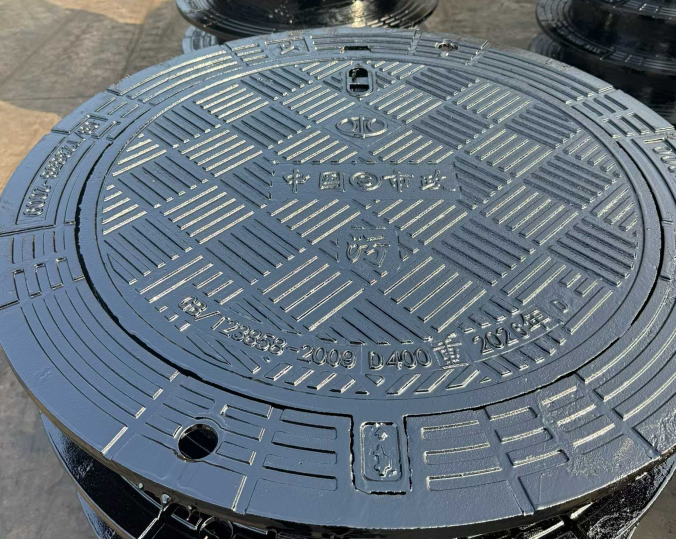
What Are the Common Manhole Cover Problems and Solutions: Overview?
Manhole covers face constant traffic loading, weather exposure, and environmental stress. Even EN124 certified ductile iron covers can develop problems if improperly specified, installed, or maintained. Understanding the common manhole cover problems and solutions helps municipalities reduce maintenance costs and extend service life.
The 5 most common problems:
| Problem | Frequency | Severity | Average Lifespan Impact |
|---|---|---|---|
| Cracking | High | Critical | Reduces from 20-30 years to 1-5 years |
| Noise (rattling) | Very High | Medium | Does not affect structural life, causes complaints |
| Corrosion | Medium | Medium | Reduces from 20-30 years to 10-15 years |
| Theft | High (developing countries) | Critical | Complete loss |
| Sinking | Medium | High | Creates impact loading, accelerates cracking |
→ Read more: How to Prevent Manhole Cover Theft? Anti-Theft Solutions
📷 [Image: Common Manhole Cover Problems Showing Cracking, Noise, Corrosion, Theft, and Sinking]
Alt text: Common manhole cover problems showing cracked cover, rattling noise from worn gasket, rusted surface, stolen cover opening, and sunken frame
What Are the Common Manhole Cover Problems and Solutions: Cracking?
Manhole cover cracking is the most critical problem, causing safety hazards and premature replacement:
Cause 1: Wrong load class — Using B125 (12.5-ton) covers on roadways with truck traffic (15-30 tons). The cover cracks within 6-12 months under repeated overloading.
Cause 2: Impact loading — Frame installed above road surface creates impact loading (3-5x static load) when vehicles pass over. This cracks the cover edges.
Cause 3: Poor material quality — Gray iron (GG20) used instead of ductile iron (GGG50). Gray iron has no elongation and cracks under bending stress.
Cause 4: Casting defects — Porosity, shrinkage, or inclusions in the casting create stress concentration points that initiate cracks.
Solution: Specify correct EN124 load class (D400 for roadways), set frame 2-3mm below road surface, use ductile iron (GGG50), and request type test reports.
⚠️ Warning: Cracked manhole covers must be replaced immediately. A cracked cover can collapse under traffic, causing vehicle damage, injury, or death. Municipalities face significant liability for accidents caused by known cracked covers.
What Are the Common Manhole Cover Problems and Solutions: Noise (Rattling)?
Manhole cover noise is the most common complaint from residents and drivers:
Cause 1: Uneven frame — Frame not level causes the cover to rock when vehicles pass over, creating rattling noise.
Cause 2: Worn gasket — Rubber gasket degrades over time (UV exposure, traffic loading), creating gaps between cover and frame.
Cause 3: Debris on seat — Sediment, concrete splashes, or debris on the frame seat prevents proper cover seating.
Cause 4: Loose cover — Cover too small for frame or worn contact surface creates gaps that cause rattling.
Solution: Level frame ±2mm during installation, replace gasket every 5-10 years, clean frame seat during maintenance, and specify machined contact surfaces for tight tolerances.
What Are the Common Manhole Cover Problems and Solutions: Corrosion?
Manhole cover corrosion reduces service life and causes structural weakening:
Cause 1: Thin coating — Coating thickness < 60μm provides insufficient corrosion protection. Road salt and rain penetrate the coating and attack the ductile iron surface.
Cause 2: Scratched coating — Installation damage, traffic abrasion, or maintenance work scratches the coating, exposing the iron surface.
Cause 3: Coastal environment — Salt spray in coastal areas accelerates corrosion. Covers in coastal areas corrode 2-3x faster than inland covers.
Cause 4: Chemical exposure — Industrial areas with chemical spills or acidic sewage accelerate corrosion.
Solution: Specify ≥80μm coating thickness, touch-up coating every 2-3 years, apply anti-corrosion primer to scratched areas, and use epoxy coating for coastal/industrial environments.
📷 [Image: Manhole Cover Corrosion Showing Thin Coating, Scratched Surface, and Rust Penetration]
Alt text: Manhole cover corrosion showing thin bituminous coating, scratched surface exposing ductile iron, and rust penetration into casting
What Are the Common Manhole Cover Problems and Solutions: Theft?
Manhole cover theft is a critical problem in developing countries and high-crime areas:
Cause 1: High scrap value — Ductile iron has scrap value ($300-500/ton), making covers attractive to thieves.
Cause 2: No locking mechanism — Standard covers can be lifted with a hook or crowbar in seconds.
Cause 3: Remote locations — Covers on remote roads or construction sites are more vulnerable to theft.
Solution: Use hinged covers (cover cannot be removed), bolted covers (require tools), or locking mechanisms (specialized keys). See our anti-theft solutions guide for details.
What Are the Common Manhole Cover Problems and Solutions: Sinking?
Manhole cover sinking creates bumps, impact loading, and accelerated cover failure:
Cause 1: Weak concrete bed — Concrete grade < C20 or bed thickness < 150mm cannot support the traffic load. The frame settles into the weak concrete.
Cause 2: Insufficient curing — Installing the frame on uncured concrete (less than 24 hours) causes the frame to settle as the concrete shrinks during curing.
Cause 3: Water infiltration — Water seeping into the concrete bed weakens the sub-base and causes settling.
Cause 4: Traffic loading — Heavy traffic on newly installed covers (before concrete reaches full strength) accelerates sinking.
Solution: Use C20/25 concrete, 150-200mm bed thickness, allow 24-48 hours curing before frame setting, and 7-14 days before traffic. Ensure proper drainage around the frame.
What Are the Common Manhole Cover Problems and Solutions: Comparison Table?
Summary of common manhole cover problems and solutions:
| Problem | Primary Cause | Solution | Prevention Cost |
|---|---|---|---|
| Cracking | Wrong load class, impact loading | Specify D400 for roadways, set frame below road | $0 (correct specification) |
| Noise | Uneven frame, worn gasket | Level ±2mm, replace gasket every 5-10 years | $5-15 (gasket replacement) |
| Corrosion | Thin coating, salt exposure | ≥80μm coating, touch-up every 2-3 years | $10-20 (coating touch-up) |
| Theft | No locking mechanism | Hinged or bolted covers | $5-25 (anti-theft premium) |
| Sinking | Weak concrete bed | C20/25 concrete, proper curing | $0 (correct installation) |
Final Recommendation: What Are the Common Manhole Cover Problems and Solutions?
Preventing common manhole cover problems starts with correct specification and installation:
✅ Specify correct load class — D400 for roadways, B125 for car parks
✅ Use ductile iron (GGG50) — 3-5x higher tensile strength than gray iron
✅ Install correctly — C20/25 concrete, level ±2mm, 2-3mm below road
✅ Maintain regularly — Inspect quarterly, clean every 6 months, lubricate annually
✅ Prevent theft — Hinged or bolted covers in high-theft areas
Working with a reliable foundry like Tiegu ensures EN124 certified products with complete documentation, reducing most common problems at the source.
Summary: What Are the Common Manhole Cover Problems and Solutions?
✅ Cracking — Wrong load class, impact loading; solution: specify D400, set frame below road
✅ Noise — Uneven frame, worn gasket; solution: level ±2mm, replace gasket
✅ Corrosion — Thin coating, salt exposure; solution: ≥80μm coating, touch-up
✅ Theft — No locking mechanism; solution: hinged or bolted covers
✅ Sinking — Weak concrete bed; solution: C20/25 concrete, proper curing
Frequently Asked Questions (FAQ)
Why do manhole covers crack?
Manhole covers crack due to:
✅ Wrong load class — Using B125 on roadways with truck traffic
✅ Impact loading — Frame above road surface creates 3-5x impact force
✅ Poor material — Gray iron instead of ductile iron
✅ Casting defects — Porosity or inclusions create stress points
How to stop manhole cover noise?
Stop manhole cover noise by:
✅ Level the frame — ±2mm tolerance during installation
✅ Replace the gasket — Every 5-10 years or when worn
✅ Clean the frame seat — Remove debris and sediment
✅ Check cover seating — Ensure no rocking or gaps
How long should a manhole cover last?
A ductile iron manhole cover lasts 20-30 years with proper maintenance. Without maintenance, service life drops to 10-15 years. Gray iron covers last 5-10 years. Covers in coastal or industrial environments require more frequent maintenance due to accelerated corrosion.
Can manhole covers be repaired or must they be replaced?
Minor surface cracks can be repaired with welding for cosmetic purposes, but structural cracks require immediate replacement. Corrosion can be repaired with touch-up coating. Worn gaskets can be replaced. Frame sinking requires concrete bed repair and frame re-leveling.
What is the most common manhole cover problem?
Noise (rattling) is the most common manhole cover problem, affecting 30-50% of installed covers within 5 years. It is caused by uneven frame installation, worn gaskets, or debris on the frame seat. The solution is simple: level the frame ±2mm, replace the gasket, and clean the seat.
Why Choose Tiegu for Manhole Covers?
Tiegu operates a modern foundry with complete manhole cover manufacturing capabilities:
Ductile iron (GGG50) — EN 1563 compliant, spectrometric analysis on every batch
Sand casting + precision machining — 400x400 to 1000x1000mm sizes
EN 124 certified — A15 to F900 load classes, type tested by SGS/TÜV
Anti-theft design — Hinge or bolted options available
Anti-noise design — Rubber gasket or machined contact surface
Full inspection — Load testing, dimensional check, coating thickness
ISO 9001 certified — Documented quality management system
For municipal projects and infrastructure developers:
✅ 30-50% cost savings — Same EN 124 quality as European foundries, fraction of price
✅ Full documentation — Type test reports, material certificates, CE marking
✅ Size range — 400x400mm to 1000x1000mm, custom sizes available
✅ Custom designs — OEM/ODM with logo, pattern, and surface text
✅ Direct foundry pricing — No middleman markup
📋 Get Free Manhole Cover Quotation
Share your manhole cover specifications (size, load class, material, quantity). We'll provide competitive quotes within 48 hours with full specifications and EN 124 certification documents.
📞 Contact Us for Manhole Cover Inquiry
WhatsApp/WeChat: +86 152 5613 5588
Email: zbw@tiegu.net
Website: www.tieguexport.com
Response time: Within 12 hours (working hours)