
 en
en  fra
fra  de
de  ru
ru  ara
ara  gle
gle  it
it  jp
jp  kor
kor  th
th  zh
zh Cast Iron vs Aluminum Wheels: Comprehensive Comparison for Fleet Buyers
2026-04-29 17:34:58 hits:0
Cast Iron vs Aluminum Wheels: Comprehensive Comparison for Fleet Buyers

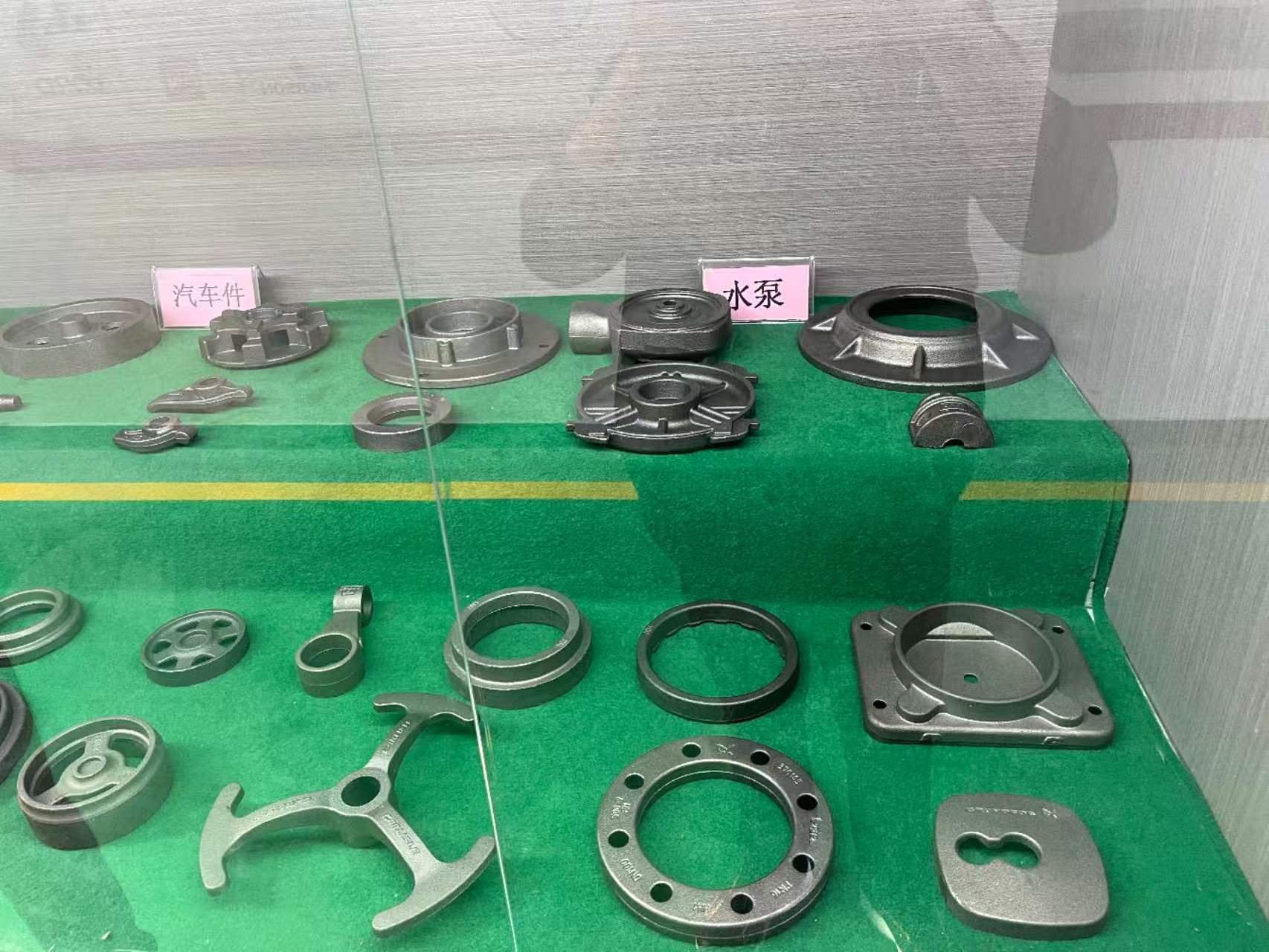
For fleet wheel selection: Cast iron (steel) wheels offer lower initial cost (40-50% cheaper), higher load capacity, and better durability for heavy-duty applications. Aluminum alloy wheels provide 30-40% weight savings, better corrosion resistance, improved fuel economy (1-3%), and enhanced aesthetics. Choose steel for budget-conscious, heavy-load, off-road use. Choose aluminum for fuel efficiency, corrosion resistance, and premium applications. Total cost of ownership favors aluminum for high-mileage fleets.
Why Wheel Material Selection Matters for Fleet Operations
Wheel material choice directly impacts:
Fuel efficiency — Unsprung weight affects consumption (1-3% difference)
Payload capacity — Lighter wheels = more cargo weight
Maintenance costs — Corrosion resistance affects replacement frequency
Safety — Fatigue resistance prevents wheel failure
Resale value — Appearance and condition affect truck value
Driver comfort — Vibration damping varies by material
⚠️ Critical Risk: Using underspecified wheels for load conditions can cause catastrophic wheel failure. Always match wheel load rating to vehicle GVWR with appropriate safety factor (typically 1.5-2.0x).
Material Properties Comparison
Cast Iron (Steel) Wheels
| Property | Specification |
|---|---|
| Material | Low carbon steel (Q235, SAE 1020) |
| Density | 7.85 g/cm³ |
| Tensile Strength | 370-500 MPa |
| Yield Strength | 235-350 MPa |
| Elongation | ≥ 20% |
| Hardness | 120-160 HB |
| Typical Weight (22.5") | 45-55 kg |
Manufacturing Process:
Steel plate cutting and forming
Rolling into rim shape
Welding rim to disc (submerged arc welding)
Heat treatment (stress relief)
Shot blasting and painting
Advantages:
✅ Lower cost — 40-50% cheaper than aluminum
✅ Higher strength — Better for heavy loads and off-road
✅ Better ductility — Bends before breaking (safer failure mode)
✅ Easier repair — Can be welded and straightened
✅ Proven technology — Decades of reliable service
Limitations:
❌ Heavier weight — Increases fuel consumption
❌ Corrosion prone — Requires painting, rusts if damaged
❌ Poor aesthetics — Typically painted black or silver
❌ Lower resale value — Appearance degrades over time
Aluminum Alloy Wheels
| Property | Specification |
|---|---|
| Material | Aluminum alloy (A356, 6061-T6) |
| Density | 2.7 g/cm³ |
| Tensile Strength | 260-310 MPa (cast) / 310-350 MPa (forged) |
| Yield Strength | 200-270 MPa (cast) / 270-310 MPa (forged) |
| Elongation | 3-8% (cast) / 8-12% (forged) |
| Hardness | 70-90 HB (cast) / 90-110 HB (forged) |
| Typical Weight (22.5") | 25-32 kg |
Manufacturing Process:
Cast wheels: Low-pressure casting, gravity casting
Forged wheels: Hot forging, CNC machining
Heat treatment (T6 temper)
Shot blasting and polishing
Clear coat or powder coating
Advantages:
✅ Lighter weight — 30-40% weight savings vs steel
✅ Better corrosion resistance — Natural oxide layer protects surface
✅ Improved fuel economy — 1-3% reduction from weight savings
✅ Better heat dissipation — Cools brakes more effectively
✅ Premium appearance — Polished or painted finishes
✅ Higher resale value — Maintains appearance longer
Limitations:
❌ Higher cost — 2-2.5x more expensive than steel
❌ Lower ductility — More prone to cracking under extreme impact
❌ Difficult repair — Welding requires specialized equipment
❌ Galvanic corrosion — Can corrode when contacting steel components
Cast Iron vs Aluminum Wheels: Direct Comparison
Head-to-Head Comparison Table
| Factor | Steel Wheels | Aluminum Wheels | Winner |
|---|---|---|---|
| Initial Cost | $150-250 per wheel | $350-600 per wheel | ✅ Steel |
| Weight (22.5") | 45-55 kg | 25-32 kg | ✅ Aluminum |
| Load Capacity | 7,000-9,000 lbs | 6,000-8,500 lbs | ✅ Steel |
| Corrosion Resistance | Fair (painted) | Excellent | ✅ Aluminum |
| Fuel Economy | Baseline | 1-3% better | ✅ Aluminum |
| Impact Resistance | Excellent (bends) | Good (may crack) | ✅ Steel |
| Repair Cost | Low (weldable) | High (often replace) | ✅ Steel |
| Aesthetics | Fair | Excellent | ✅ Aluminum |
| Resale Value | Lower | Higher | ✅ Aluminum |
| Service Life | 5-8 years | 8-12 years | ✅ Aluminum |
Total Cost of Ownership Analysis
For a fleet of 10 trucks (18 wheels each = 180 wheels):
| Cost Factor | Steel Wheels | Aluminum Wheels |
|---|---|---|
| Initial Purchase (180 wheels) | $36,000 (@ $200/wheel) | $90,000 (@ $500/wheel) |
| Fuel Cost (5 years, 500,000 km) | $250,000 | $242,500 (3% savings) |
| Replacement (5 years) | $18,000 (50% replacement) | $9,000 (10% replacement) |
| Maintenance (repairs, painting) | $5,000 | $2,000 |
| Resale Value (wheel trade-in) | -$5,000 | -$25,000 |
| Total 5-Year Cost | $304,000 | $318,500 |
💡 Key Insight: While aluminum wheels have higher initial cost, the gap narrows significantly over 5 years. For high-mileage fleets (>150,000 km/year), aluminum often provides better ROI through fuel savings and reduced replacement costs.
Choosing Cast Iron vs Aluminum Wheels for Your Fleet
Choose Steel Wheels When:
✅ Budget is primary concern — Initial cost is critical
✅ Heavy loads — Maximum load capacity required
✅ Off-road use — Rocky, rough terrain (better impact resistance)
✅ Construction/mining — Harsh environments with debris
✅ Short-haul operations — Fuel savings less significant
✅ Rental fleets — Durability over appearance
Choose Aluminum Wheels When:
✅ High mileage fleet — >150,000 km/year (fuel savings add up)
✅ Long-haul operations — Highway driving (consistent speeds)
✅ Coastal/humid regions — Corrosion resistance critical
✅ Premium image — Customer-facing vehicles
✅ Weight-sensitive cargo — Maximize payload capacity
✅ Resale value matters — Trucks sold after 3-5 years
⚠️ Important: Never mix steel and aluminum wheels on the same axle. Different thermal expansion rates and load characteristics can cause handling issues and uneven wear.
Wheel Testing Standards & Certification
Required Tests
| Test Type | Standard | Requirement |
|---|---|---|
| Bending Fatigue | ISO 3006 / SAE J267 | ≥ 100,000 cycles at rated load |
| Radial Fatigue | ISO 7141 / SAE J328 | ≥ 500,000 cycles at 1.5x rated load |
| Impact Test | ISO 7141 | No failure at specified impact energy |
| Cornering Fatigue | ISO 3006 | ≥ 100,000 cycles with moment load |
| Salt Spray | ISO 9227 | ≥ 500 hours (aluminum), ≥ 200 hours (steel) |
Certification Marks
TÜV — German certification (European market)
JWL/VIA — Japanese standards
DOT — US Department of Transportation
ISO 9001 — Quality management system
💡 Buyer's Checklist: Request test certificates for bending fatigue, radial fatigue, and impact testing. Verify load rating markings on wheel (must be permanently stamped). Check for certification marks (TÜV, JWL, DOT).
Wheel Maintenance Best Practices
Steel Wheel Maintenance
Regular cleaning — Remove brake dust, road salt weekly
Inspect for rust — Touch up paint immediately
Check for cracks — Especially around welds and lug holes
Verify torque — Re-torque lug nuts after 50-100 km
Monitor runout — Replace if >3mm lateral runout
Aluminum Wheel Maintenance
Gentle cleaning — Use pH-neutral cleaners (no acid)
Avoid abrasives — Don't damage clear coat
Check for corrosion — White powder indicates galvanic corrosion
Inspect for cracks — Dye penetrant test if suspected
Proper torque — Use torque wrench (aluminum is softer)
⚠️ Critical: Never use steel wire brushes on aluminum wheels — embedded steel particles cause galvanic corrosion. Use plastic or brass brushes only.
Common Wheel Failure Modes
Steel Wheel Failures
Rust corrosion — Paint damage leads to rust, weakens structure
Weld cracks — Fatigue at rim-to-disc weld joint
Lug hole elongation — Over-torquing or loose nuts causes wear
Bent rim — Impact damage from potholes or curbs
Aluminum Wheel Failures
Stress corrosion cracking — Combined stress + corrosive environment
Porous casting — Manufacturing defect causes air leaks
Clear coat peeling — UV damage or improper application
Catastrophic fracture — Rare, but aluminum cracks without warning
Why Tiegu for Wheel Casting
Tiegu specializes in commercial vehicle wheel casting with proven quality:
Material Expertise — Steel (Q235, SAE 1020) and aluminum (A356, 6061-T6)
Testing Capability — In-house bending fatigue, radial fatigue, impact testing
Quality Certification — ISO 9001, TÜV, DOT certified partners
Load Ratings — Wheels rated 6,000-9,000 lbs per wheel
High Volume — Capacity for fleet and OEM production
Competitive Pricing — Direct foundry pricing, 30-40% savings
For fleet managers and wheel distributors:
✅ Reduced warranty claims — Quality castings reduce failures
✅ Faster delivery — Integrated production and logistics
✅ Technical support — Engineering assistance for specifications
✅ Customization — OEM designs and private labeling available
📋 Get Free Technical Quotation
Share your wheel requirements (size, load rating, material, quantity). We'll provide competitive quotes within 48 hours with full test certification.
Summary: Key Takeaways for Wheel Selection
✅ Steel wheels — Best for budget, heavy loads, off-road, harsh conditions
✅ Aluminum wheels — Best for fuel economy, corrosion resistance, premium image
✅ Weight difference — Aluminum saves 20-25kg per wheel (30-40% lighter)
✅ Cost difference — Steel is 40-50% cheaper initially
✅ TCO narrows gap — Aluminum ROI improves with high mileage
✅ Verify certifications — Require fatigue test reports and load ratings
✅ Proper maintenance — Extends wheel life regardless of material
✅ Don't mix materials — Same axle must have same wheel type
📞 Contact Tiegu for Wheel Solutions
Need commercial vehicle wheels? Our foundry network produces steel and aluminum wheels with certified load ratings and competitive pricing for fleet operations.
📱 WhatsApp / WeChat: +86 152 5613 5588
📧 Email: zbw@tiegu.net
🌐 Website: www.tieguexport.com
💬 Inquiry Form: Submit Your Requirements
Response Time: Within 24 hours with technical specifications and quotation.