
 en
en  fra
fra  de
de  ru
ru  ara
ara  gle
gle  it
it  jp
jp  kor
kor  th
th  zh
zh Auto Parts Installation & Maintenance Best Practices: Complete Guide for Fleet Managers
2026-04-24 09:49:17 hits:0

⚡For auto parts installation and maintenance: follow manufacturer torque specifications (use calibrated torque wrench), adhere to maintenance intervals (oil: 5,000-10,000 km, brakes: 20,000-40,000 km, suspension: 50,000 km inspection), use proper lubrication (anti-seize for bolts, grease for bearings), document all maintenance activities, and replace worn parts before failure. Key tools: torque wrench, dial indicator, micrometer, brake lathe. Always follow OEM procedures and safety protocols.
Why Proper Auto Parts Installation Matters
Correct installation and maintenance directly impacts:
Safety — Prevents brake failure, steering loss, wheel detachment
Vehicle lifespan — Proper maintenance extends component life 2-3x
Operating costs — Preventive maintenance reduces repair costs by 30-50%
Downtime — Scheduled maintenance vs. unexpected breakdowns
Warranty compliance — Improper installation voids warranties
⚠️ Critical Risk: Improper torque on wheel nuts is a leading cause of commercial vehicle accidents. Over-torquing can stretch bolts; under-torquing causes loosening. Always use calibrated torque wrench and follow manufacturer specifications.
Essential Tools for Auto Parts Installation
Must-Have Tools
| Tool | Purpose | Accuracy Requirement |
|---|---|---|
| Torque Wrench | Bolt tightening to specification | ±3% calibration |
| Dial Indicator | Runout measurement | 0.01mm resolution |
| Micrometer | Thickness measurement | 0.001mm resolution |
| Brake Lathe | Rotor/drum resurfacing | 0.025mm finish |
| Bearing Packers | Grease injection | 100% fill |
| Spring Compressors | Suspension work | Rated capacity |
Calibration Requirements
Torque wrenches: Calibrate every 5,000 cycles or 12 months
Pressure gauges: Calibrate every 6 months
Measuring tools: Verify accuracy quarterly
Lifting equipment: Inspect and certify annually
💡 Industry Standard: Maintain calibration certificates for all measuring tools. ISO 6789 specifies requirements for torque tool calibration and certification.
Auto Parts Installation Procedures
Brake System Installation
Preparation
Clean hub surface (remove rust, debris)
Inspect wheel studs (replace if damaged)
Verify part numbers match specifications
Rotor/Drum Installation
Measure runout (max 0.05mm for rotors)
Clean with brake cleaner (no oil residue)
Torque retaining screws to spec (typically 5-10 Nm)
Pad/Shoe Installation
Apply anti-squeal compound to pad backing
Lubricate caliper pins with silicone grease
Install wear sensors (if equipped)
Caliper/Wheel Cylinder Installation
Compress piston with proper tool
Torque mounting bolts to specification
Bleed brake system (remove air)
Final Checks
Pump brake pedal (firm feel required)
Check for leaks at all connections
Test drive at low speed first
Suspension Parts Installation
Control Arms/Bushings
Support vehicle weight on wheels (not hanging)
Torque bolts at ride height (prevents bushing twist)
Check alignment after installation
Shock Absorbers/Struts
Compress and extend before installation (remove air)
Replace mounting hardware (one-time use)
Torque upper and lower mounts to spec
Ball Joints/Tie Rods
Install with wheels straight
Torque castle nut and install cotter pin
Verify proper torque and no binding
Wheel & Hub Installation
Hub Assembly
Pack bearings with proper grease (fill 30-50%)
Adjust bearing preload (0.05-0.10mm endplay)
Install seal properly (no damage)
Wheel Installation
Clean wheel mounting surface
Hand-tighten lug nuts in star pattern
Torque to specification in 3 stages (50%, 80%, 100%)
Re-torque after 50-100 km (critical!)
Torque specifications: Always follow manufacturer values for safe auto parts installation
Standard Torque Specifications
Common Fastener Torque Values
| Bolt Size | Grade 5 (Nm) | Grade 8 (Nm) | Application |
|---|---|---|---|
| M8 | 20-25 | 28-35 | Brake caliper, brackets |
| M10 | 40-50 | 55-70 | Control arms, suspension |
| M12 | 70-85 | 95-120 | Wheel studs, axle nuts |
| M14 | 110-130 | 150-180 | Hub assembly, drivetrain |
| M16 | 170-200 | 230-280 | Axle shafts, frame bolts |
| M18 | 240-280 | 320-380 | Heavy-duty applications |
⚠️ Important: These are general guidelines only. ALWAYS refer to vehicle manufacturer specifications for exact torque values. Factors affecting torque: lubrication, plating, thread condition, bolt grade.
Maintenance Intervals & Inspection Schedules
Preventive Maintenance Schedule
| Interval | Components | Action |
|---|---|---|
| Every 5,000 km | Engine oil, filters | Replace |
| Every 10,000 km | Tires, brakes, suspension | Inspect |
| Every 20,000 km | Brake pads/shoes | Measure thickness |
| Every 40,000 km | Brake fluid | Replace |
| Every 50,000 km | Suspension bushings, ball joints | Inspect & replace if worn |
| Every 80,000 km | Shock absorbers | Test & replace |
| Every 100,000 km | Wheel bearings | Repack or replace |
Wear Limits & Replacement Criteria
| Component | New Thickness | Wear Limit | Replace At |
|---|---|---|---|
| Brake Pads | 12-15mm | 3mm | ≤ 4mm |
| Brake Shoes | 6-7mm | 1.5mm | ≤ 2mm |
| Brake Rotors | 30-40mm | 2mm wear | At minimum spec |
| Brake Drums | Varies | 1.5mm wear | At maximum diameter |
| Ball Joints | 0mm play | 0.5mm | ≥ 0.8mm play |
| Tie Rod Ends | 0mm play | 0.5mm | ≥ 0.8mm play |
| Wheel Bearings | 0.05mm | 0.10mm | ≥ 0.15mm endplay |
💡 Best Practice: Replace brake components in axle sets (both sides). Mixing old and new parts causes uneven braking and premature wear.
Common Installation Mistakes to Avoid
❌ Over-torquing fasteners — Stretches bolts, damages threads, warps rotors
❌ Under-torquing fasteners — Causes loosening, vibration, component failure
❌ Skipping thread locker — Vibrating components will loosen without it
❌ Reusing one-time hardware — Stretch bolts, lock nuts, cotter pins must be replaced
❌ Not cleaning surfaces — Dirt causes runout, uneven wear, premature failure
❌ Improper lubrication — Wrong grease type damages components
❌ Skipping re-torque — Wheel nuts MUST be re-torqued after 50-100 km
❌ Not bleeding brakes properly — Air in system causes spongy pedal, reduced braking
Lubrication Best Practices
Proper Lubricant Selection
| Application | Lubricant Type | Temperature Range |
|---|---|---|
| Wheel Bearings | EP-2 Lithium Complex | -30°C to +150°C |
| Chassis Points | NLGI #2 Grease | -20°C to +120°C |
| Brake Caliper Pins | Silicone-based | -40°C to +200°C |
| Anti-Seize | Copper/Nickel compound | -40°C to +900°C |
| Universal Joints | EP-1 Lithium | -30°C to +130°C |
Greasing Procedures
Clean grease fitting before attaching gun
Pump until new grease appears at seal
Wipe away excess grease
Rotate component while greasing (distributes evenly)
Check for damaged seals (replace if leaking)
Maintenance Documentation
Required Records
Service date and mileage
Parts replaced (part numbers, quantities)
Technician name/signature
Torque values used (critical fasteners)
Inspection results (measurements, wear data)
Next service due (date/mileage)
Digital vs. Paper Records
| Aspect | Digital | Paper |
|---|---|---|
| Searchability | ✅ Excellent | ❌ Poor |
| Backup | ✅ Automatic | ❌ Manual |
| Accessibility | ✅ Anywhere | ❌ On-site only |
| Compliance | ✅ Audit-ready | ⚠️ May degrade |
💡 Regulatory Requirement: Commercial fleets must maintain maintenance records for minimum 3 years (varies by jurisdiction). Digital records with backup are recommended for compliance.
Safety During Auto Parts Installation
Personal Protective Equipment (PPE)
✅ Safety glasses (impact protection)
✅ Steel-toed boots (crush protection)
✅ Work gloves (cut/abrasion protection)
✅ Hearing protection (noise >85 dB)
✅ Respirator (brake dust, chemicals)
Shop Safety Checklist
✅ Vehicle properly supported (jack stands, not just jack)
✅ Wheels chocked (prevent rolling)
✅ Battery disconnected (electrical work)
✅ System depressurized (brakes, cooling)
✅ Hot components cooled (exhaust, brakes)
✅ Proper ventilation (fumes, dust)
✅ Fire extinguisher accessible
⚠️ Critical Safety: NEVER work under vehicle supported only by hydraulic jack. ALWAYS use jack stands rated for vehicle weight. Brake system work requires proper bleeding — air in brakes can cause complete brake failure.
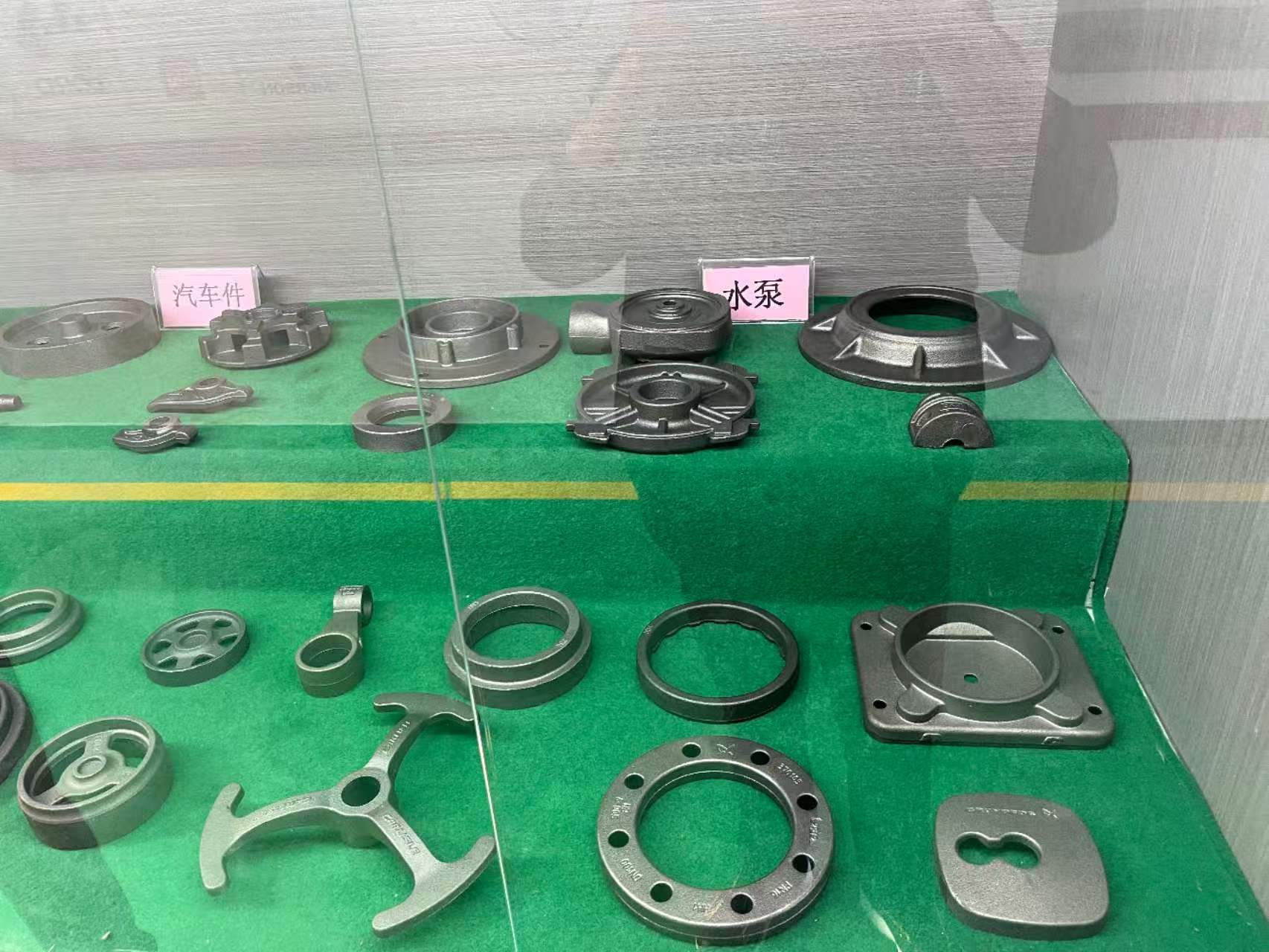
Why Tiegu for Auto Parts Casting
Tiegu specializes in automotive component casting with OEM-quality standards:
Material Expertise — Ductile iron (GGG40/50), cast steel, grey iron for auto parts
Quality Certification — ISO 9001, IATF 16949 certified partners
Dimensional Accuracy — CNC machining to ±0.05mm tolerances
Testing Capability — In-house tensile, hardness, NDT testing
High Volume — Capacity for fleet and OEM production quantities
Competitive Pricing — Direct foundry pricing, no middleman
For fleet managers and auto parts distributors:
✅ Reduced warranty claims — Quality castings reduce failures
✅ Consistent supply — Reliable production capacity
✅ Technical support — Engineering assistance for specifications
✅ Cost savings — 30-40% vs. domestic suppliers
📋 Get Free Technical Quotation
Share your auto parts requirements (drawings, specifications, quantities). We'll provide competitive quotes within 48 hours with full material certification.
Summary: Key Takeaways for Auto Parts Installation & Maintenance
✅ Use proper tools — Calibrated torque wrench, measuring instruments
✅ Follow torque specifications — Never guess, always verify
✅ Adhere to maintenance intervals — Preventive is cheaper than reactive
✅ Replace worn parts promptly — Don't wait for failure
✅ Use correct lubricants — Wrong grease causes premature wear
✅ Document everything — Maintenance records are legally required
✅ Re-torque wheel nuts — After 50-100 km (critical safety step)
✅ Prioritize safety — PPE, proper supports, follow procedures
📞 Contact Tiegu for Auto Parts Solutions
Need quality auto parts castings? Our foundry network produces ductile iron and cast steel automotive components with OEM-quality standards and competitive pricing.
📱 WhatsApp / WeChat: +86 152 5613 5588
📧 Email: zbw@tiegu.net
🌐 Website: www.tieguexport.com
💬 Inquiry Form: Submit Your Requirements
Response Time: Within 24 hours with technical specifications and quotation.