 en
en  fra
fra  de
de  ru
ru  ara
ara  gle
gle  it
it  jp
jp  kor
kor  th
th  zh
zh How to Verify a Casting Supplier’s Production Capability
2026-03-09 17:15:50 hits:0
When sourcing industrial castings internationally, selecting the right supplier is one of the most critical decisions for buyers. Even if a supplier provides competitive pricing and quick responses, their actual production capability must be verified before placing an order.
Many procurement risks in casting projects arise because buyers rely only on quotations or basic company introductions. To ensure stable supply and consistent quality, it is important to evaluate whether a supplier truly has the capability to produce your parts.
Below are several practical ways international buyers verify a casting supplier’s production capability.
1. Review the Foundry’s Casting Process Capabilities
Different casting processes are suitable for different types of components. Before selecting a supplier, buyers should confirm which processes the foundry actually operates.
Common casting processes include:
Sand casting
Shell molding
Investment casting
Lost foam casting
Die casting
Each process has different strengths in terms of precision, surface finish, production volume, and cost efficiency.
For example:
Large machinery components are often produced using sand casting.
Small high-precision parts may require investment casting.
Ensuring the supplier uses the correct process for your product is the first step in verifying production capability.
2. Evaluate Production Capacity and Equipment
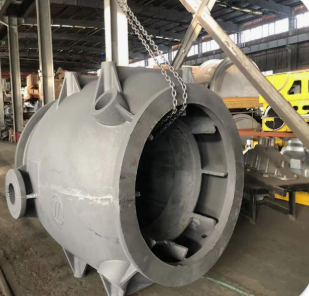
Production capability is closely related to a factory’s equipment and production capacity.
Buyers should review information such as:
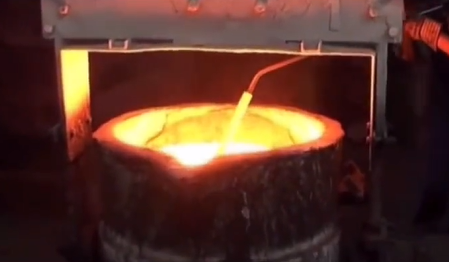
Melting furnace capacity
Molding line type (automatic or manual)
Annual casting output
Machining capability
Heat treatment facilities
For large orders or long-term projects, the supplier must have enough capacity to maintain stable production schedules.
Production bottlenecks often occur when factories accept orders beyond their actual capacity.
3. Check Experience with Similar Casting Projects
A supplier’s experience with similar products or industries is another key indicator of capability.
Buyers can ask suppliers to provide examples such as:
Similar casting components previously produced
Industries served (automotive, machinery, infrastructure, etc.)
Export project references
Experience with similar parts usually means the supplier already understands:
required tolerances
material specifications
inspection standards
This greatly reduces project risks.
4. Review Quality Control and Inspection Systems
A reliable casting supplier should have a structured quality control system covering the entire production process.
Important quality checkpoints include:
Raw material inspection
Chemical composition testing
Dimensional inspection
Mechanical property testing
Surface defect inspection
In export projects, many buyers also arrange third-party inspection before shipment.
A transparent quality inspection process helps ensure consistent production results.
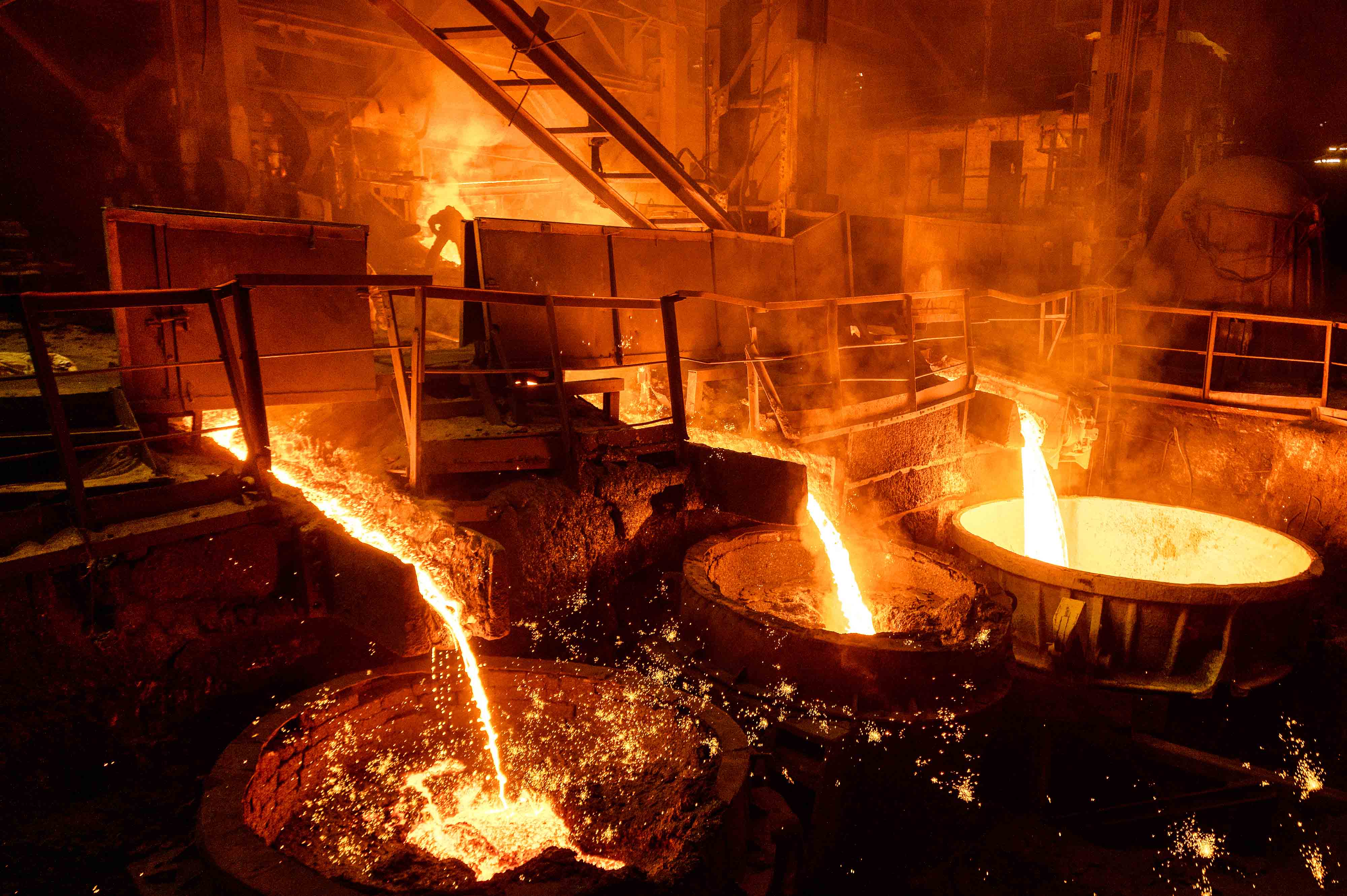
5. Conduct a Factory Audit or Virtual Inspection
When possible, buyers may conduct a factory audit to confirm the supplier’s actual production conditions.
This can include reviewing:
workshop layout
production lines
inspection laboratories
storage areas
packaging and export preparation
If an on-site visit is not feasible, many buyers request virtual factory tours or detailed production videos.
These audits provide a clearer picture of the supplier’s real operational capabilities.
6. Confirm Technical Communication Capability
Production capability is not only about equipment—it also includes engineering communication.
A capable supplier should be able to:
review drawings and provide feedback
clarify tolerances and machining requirements
recommend suitable casting processes
align technical specifications before production
Clear technical communication reduces misunderstandings that could otherwise lead to delays or quality issues.
Conclusion
Verifying a casting supplier’s production capability requires more than reviewing a quotation. Buyers should evaluate the supplier’s process capability, production capacity, project experience, quality control systems, and technical communication ability.
A structured verification process helps international buyers reduce sourcing risks and ensure smoother project execution.
As a professional casting export partner with an integrated supplier network, Tiegu supports international buyers by coordinating qualified foundries, aligning technical specifications, and assisting with supplier evaluation to improve sourcing efficiency for casting projects.